
Introduction to Lost Foam Casting (EPC)
Lost foam casting, also called evaporative pattern casting or EPC, stands out as one of the most creative and effective metal casting methods today. This technique lets factories create very complicated parts with great size accuracy, much less need for extra machining after casting, and very little material waste. The basic idea is simple: workers make a foam pattern, usually from expanded polystyrene (EPS), cover it with a special heat-resistant coating, place the coated pattern in loose sand, and pour hot liquid metal straight onto the pattern. When the metal touches the foam, the foam quickly turns into gas. The metal then fills the exact space left behind, giving a near-final shape with a smooth surface and fine details.
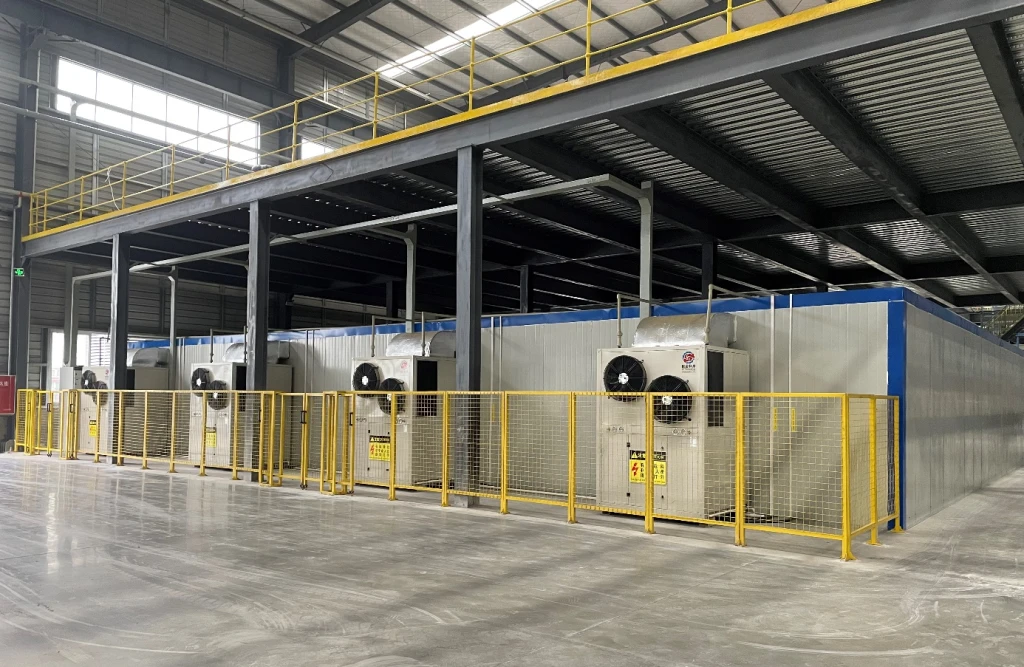
The Critical Role of Drying in Lost Foam Casting
Drying is extremely important in the lost foam casting process, especially in the so-called yellow area. This is where both the foam patterns (often named white molds) and the refractory coatings get carefully dried. Good drying makes sure the coating sticks well to the foam, spreads evenly over every surface, and keeps the right amount of air permeability so gases can escape when metal is poured. When drying goes smoothly, the coating layer becomes strong and free of cracks. It stops sand from falling in and helps the metal flow nicely.
Common Defects Caused by Inadequate Drying
Poor or uneven drying often causes many serious problems in the castings. The coating can develop cracks, letting sand get inside and create unwanted inclusions in the finished part. Gas holes appear frequently because leftover moisture changes into steam during pouring. Bad surface quality and wrong dimensions also happen a lot. These issues lower part quality, raise the amount of scrapped pieces, and increase the cost of fixing parts. That makes reliable drying one of the most important steps for steady, good production in lost foam casting.
Limitations of Traditional Drying Methods
For a long time, companies used old-fashioned drying ways like steam systems or regular electric heaters. These methods worked to some degree, but they had clear disadvantages. Steam drying usually uses a great deal of energy and needs complicated boiler equipment. Electric heating often creates uneven heat and has trouble controlling moisture. Both approaches normally take a long time to dry, cost a lot to run, and cause environmental worries because they use so much energy and can produce emissions. Also, the lack of exact control frequently leads to different coating quality, which directly affects how well the final castings perform.
The Rise of Heat Pump Drying and Dehumidification Integrated Systems
To solve these problems, more and more factories have started using modern heat pump drying and dehumidification combined machines. These units use air source heat pump technology. They take heat energy straight from the air around them, turn it into steady warm air, and send it into the drying room through well-planned air channels. The real strength of these machines is that they put four key jobs—heating, removing moisture, draining water, and reusing waste heat—into one small device.
Core Working Principle and Heat Recovery Mechanism
While running, the system pulls wet air out of the drying room. It cools the air to turn water vapor into liquid, removes the humidity, drains the water away, and sends the saved heat back into the drying cycle. This closed system recovers more than 70% of the leftover heat and keeps a coefficient of performance (COP) higher than 2.0. By reusing heat that would normally be lost, these systems cut energy use a lot compared with older methods, while still giving gentle and even drying conditions that suit sensitive foam patterns and coatings perfectly.
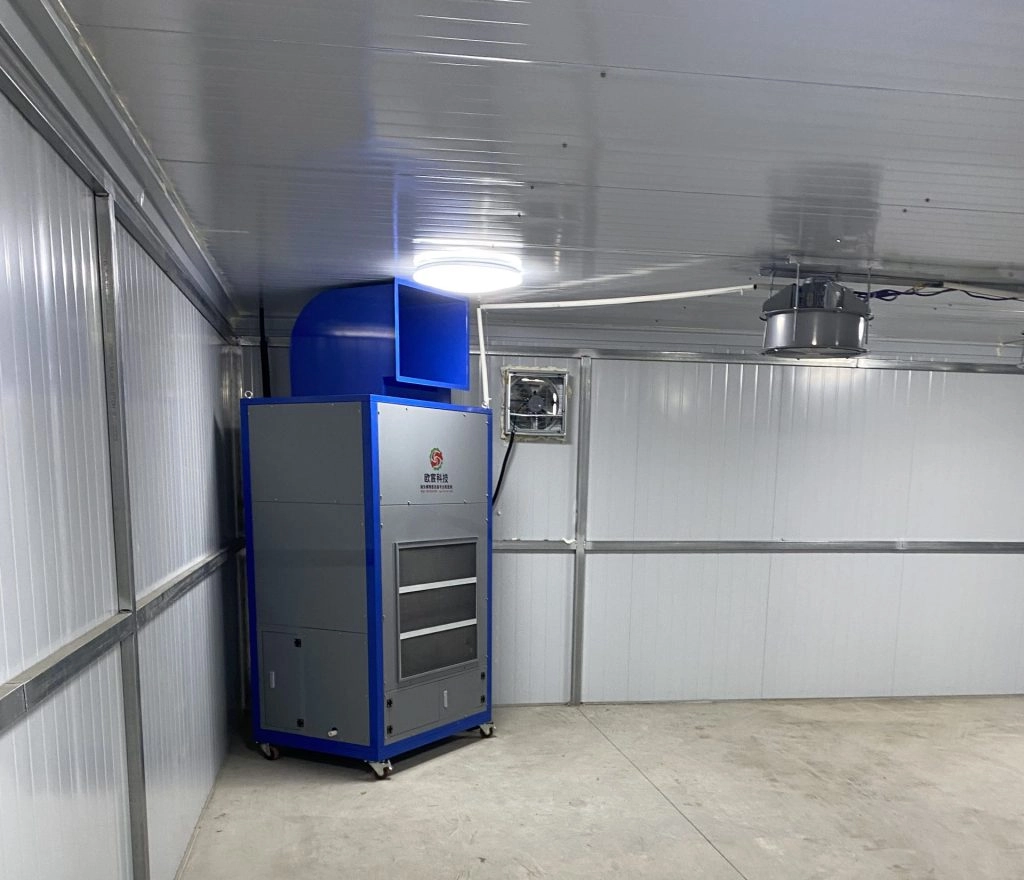
Precise Temperature and Humidity Control for EPC
In lost foam casting, drying conditions need very tight control. Temperatures usually stay between 35°C and 60°C. The temperature difference inside the drying room must remain under 5°C. At the same time, relative humidity should drop to 15% or lower so the coating works correctly. Heat pump drying systems do very well here. They hold temperature steady within ±1°C during the whole process. This accurate control stops the foam patterns from changing shape, keeps coating thickness even, and makes sure permeability stays consistent. All of this leads to much better casting quality.
Significant Energy and Cost Savings
One of the biggest advantages of heat pump drying is how much energy it saves. By recovering over 70% of the heat that would escape with the outgoing air, these systems greatly reduce electricity use. The smart step-by-step drying method also makes the whole cycle shorter. Factories can make more products in the same time without using extra energy. Over the years, these savings bring much lower running costs and better profits, especially for plants that produce large numbers of lost foam castings.
Environmental and Sustainability Benefits
Besides lower costs, heat pump drying systems fit very well with today’s green goals. The complete drying process creates zero emissions. It removes the need for fuel-burning heaters and cuts the carbon footprint of the production line. This clean method helps factories follow stricter rules more easily and shows they care about protecting the environment, which customers and partners like to see.
Labor and Operational Efficiency Gains
New heat pump drying machines come with smart automatic control systems. They have ready-made drying curves designed for certain materials and room sizes. After setting the program, the process almost runs itself. One worker can watch several drying rooms at once. This automation lowers labor expenses and reduces mistakes made by people. It gives steady results every day.
Flexible Installation Options for Different Production Needs
Companies provide several ways to install the units so they fit different factories. Indoor models offer flexible placement. Top-mounted designs save floor space in smaller plants. Rear-mounted versions give stronger dehumidification for bigger drying rooms. Each type can be adjusted according to the exact size and shape of the building. This ensures good airflow and strong performance no matter the available space.
Advanced Technical Features and Smart Monitoring
Today’s heat pump drying systems have advanced control screens. They show real-time running information, error messages, and important process numbers clearly on visual LCD controllers. Many units also include IoT features. These allow remote checking and data collection through phone apps. With this connection, managers can watch performance, get warning messages, and change settings from any location. All of this improves work efficiency and reduces time when machines are stopped.
Industry Impact and Future Outlook
Lost foam casting keeps growing in fields like automotive, machinery, farm equipment, and aerospace. Because of this, the need for dependable, high-quality drying equipment is increasing steadily. When factories add advanced heat pump drying and dehumidification systems, they get better casting quality, fewer defects, quicker production, lower energy bills, and complete agreement with environmental rules. These technologies mark a big improvement. They make lost foam casting more competitive, more sustainable, and more efficient overall.
OC Technology
OC Technology, a leading manufacturer, supplier, and factory of high-end intelligent lost foam casting equipment, focuses on these advanced heat pump drying and dehumidification integrated machines. As a national high-tech enterprise and strategic partner of the China Lost Foam Industry Association, OC Technology provides a full range of solutions. These include indoor air dryers, top-mounted units, and rear-mounted models specially made for white mold and coating drying in lost foam casting. These patented, energy-saving systems offer precise control, zero emissions, and fully customized performance to improve EPC production lines.
Frequently Asked Questions (FAQ)
What is the ideal temperature and humidity for drying foam patterns and coatings in lost foam casting?
Temperatures normally stay between 35-60°C. The temperature difference in the room stays below 5°C. Relative humidity is kept at 15% or lower to make sure the coating sticks well and allows proper gas escape.
How do heat pump drying systems improve efficiency over traditional methods?
They recover more than 70% of waste heat, reach a COP above 2.0, cut energy consumption, shorten drying time, give very accurate control, and produce almost no emissions.
Can these systems be customized for different drying room sizes?
Yes. Manufacturers supply custom solutions based on room measurements. They provide indoor, top-mounted, and rear-mounted types to match various production requirements.
How do these systems support remote monitoring?
They come with IoT modules and clear LCD controllers. This setup allows real-time viewing and control through mobile apps for better management of the operation.
Partner with a Reliable Lost Foam Casting Equipment Manufacturer
As a leading manufacturer, supplier, and factory of advanced lost foam casting equipment, OC Technology provides innovative heat pump drying and dehumidification solutions built especially for the special needs of the industry. Contact the team today at Tel: +86 15988479417 or Email: zyh@oc-epc.com to talk about custom systems, ask for a price quote, or learn how these energy-saving solutions can improve your production efficiency and quality. Visit https://www.oc-epc.com/ for more information about the complete product range.


 English
  Arabic
  Hindi
Hindi  Indonesian
  Japanese
  Korean
  Malay
Malay  Portuguese
  Spanish
  Thai
Thai  Vietnamese