Lost Foam Castingအငွေ့ပျံပုံစံသွန်းလောင်းခြင်း (EPC) ဟုလည်းလူသိများသော သတ္တုအရည်ဖွဲ့စည်းခြင်းနည်းပညာတွင် ခေတ်မီနည်းလမ်းတစ်ခုအဖြစ် ရပ်တည်နေသည်။ ဤလုပ်ငန်းစဉ်သည် အရည်ပျော်သတ္တု၏ မြင့်မားသောအပူချိန်သဘောသဘာဝကို အသုံးပြု၍ polystyrene အမြှုပ်ပုံစံကို အငွေ့ပျံစေသည်။ ထို့နောက် သတ္တုသည် နေရာကို အတိအကျဖြည့်ပြီး လိုအပ်သောသွန်းလောင်းခြင်းအဖြစ် မာကျောသွားသည်။ ထုတ်လုပ်သူများသည် နောက်ပိုင်းတွင် အပိုအလုပ်အနည်းငယ်ဖြင့် အသေးစိတ်အရည်အသွေးကောင်းမွန်သော အစိတ်အပိုင်းများကို ဖန်တီးခြင်းကို နှစ်သက်ကြသည်။
Lost Foam Casting ရဲ့ အခြေခံတွေကို နားလည်ခြင်း
လုပ်ငန်းစဉ်ခြုံငုံသုံးသပ်ချက်နှင့် အဓိကပစ္စည်းများ
Lost Foam Casting မှိုအတွက် ပုံမှန်ချည်နှောင်ထားသောသဲအစား ခြောက်သွေ့သောသဲ (သို့မဟုတ် ရေဆေးသဲ၊ ရေဖန်သဲ) ကို အသုံးပြုသည်။ ပုံစံကို ချဲ့ထွင်ထားသော ပိုလီစတိုင်ရင်း (EPS) အမြှုပ်ဖြင့် ပြုလုပ်ထားသည်။ ဤအမြှုပ်သည် ပူပြင်းသော အရည်ပျော်နေသော သတ္တုနှင့် တွေ့ဆုံသောအခါ ပျောက်ကွယ်သွားသည်။
အဓိကအယူအဆမှာ အမြှုပ်ပုံစံကိုထိန်းထားသည့် မှိုထဲသို့ အရည်ပျော်နေသောသတ္တုကို လောင်းထည့်ခြင်းပါဝင်သည်။ အပူသည် ပိုလီစတိုင်ရင်းကို လောင်ကျွမ်းစေပြီး ဓာတ်ငွေ့အဖြစ်သို့ ပြောင်းလဲကာ ပျောက်ကွယ်သွားစေသည်။ ၎င်းက အရည်သတ္တုသည် နေရာတစ်ခုလုံးကို ယူစေသည်။ သတ္တုအေးပြီး အစိုင်အခဲဖြစ်လာပြီးနောက် အလုပ်သမားများသည် သဲများကို ခါထုတ်ခြင်းဖြင့် ပုံသွင်းခြင်းကို ဖယ်ရှားကြသည်။
ဤနည်းအားဖြင့် အခြေအနေများစွာတွင် ပုံမှန်ခွဲထားသောလိုင်းများ၊ အူတိုင်များ သို့မဟုတ် လေမှုတ်ထောင့်များ မလိုအပ်တော့ပါ။ ရလဒ်အနေဖြင့် သွန်းလောင်းမှုများသည် တောက်ပမှု သို့မဟုတ် ချိုင့်ခွက်များမပါဘဲ ထွက်ပေါ်လာပါသည်။
ပုံစံထုတ်လုပ်မှုအတွက် အဓိကချဉ်းကပ်မှုနှစ်ခု
ပျောက်ဆုံးသွားသော အမြှုပ်ပုံသွင်းပုံစံများသည် အဓိကနည်းလမ်းနှစ်ခုမှ ဖြစ်ပေါ်လာသည်။ ရွေးချယ်မှုသည် အစိတ်အပိုင်းမည်မျှပြုလုပ်ရန်နှင့် ၎င်းတို့မည်မျှကြီးမားသည်ပေါ်တွင် မူတည်သည်။
ဘလောက်ပြုလုပ်ခြင်းနှင့် တပ်ဆင်ခြင်းနည်းလမ်း
ဤနည်းအားဖြင့် အလုပ်သမားများသည် ပိုလီစတိုင်ရင်းဖော့ပြားများ သို့မဟုတ် ဘလောက်များကို ဖြတ်တောက်ကြသည်။ ၎င်းတို့သည် အပိုင်းအစများကို ပေါင်းစပ်ပြီး နောက်ဆုံးပုံစံပုံသဏ္ဍာန်ကို ဖန်တီးကြသည်။ ထို့နောက် ပုံစံများကို ကော်ဖြင့် ကပ်ကြသည်။ ဤနည်းပညာသည် အပိုင်းအစတစ်ခုတည်း သို့မဟုတ် အသုတ်ငယ်ထုတ်လုပ်မှုတွင် အလတ်စားမှ အကြီးစားပုံသွင်းခြင်းများအတွက် ကောင်းမွန်စွာ အလုပ်လုပ်သည်။ ဥပမာအားဖြင့် စက်ကိရိယာအိပ်ရာများ သို့မဟုတ် မော်တော်ကားကိုယ်ထည်အစိတ်အပိုင်းများအတွက် မှိုကြီးများ ပါဝင်သည်။ မှိုများသည် ပိုမိုကောင်းမွန်သော အထောက်အပံ့ပေးရန်အတွက် ရေဖန်သဲ သို့မဟုတ် ရေဆေးသဲကို မကြာခဏ အသုံးပြုလေ့ရှိသည်။
ချဲ့ထွင်နိုင်သော ပုတီးပုံသွင်းခြင်း (EPC နည်းလမ်း)
ပိုလီစတိုင်ရင်း အမှုန်များကို သတ္တုအမှင်ထဲသို့ ထည့်သည်။ အပူပေးခြင်းဖြင့် ၎င်းတို့ကို အပိုင်းအစတစ်ခုတည်းတွင် တိကျသောပုံစံတစ်ခုဖွဲ့စည်းပေးသည်။ ဤနည်းလမ်းသည် မှိုအတွက် ခြောက်သွေ့သောသဲကို အသုံးပြုသည်။ ၎င်းသည် အသေးစားမှ အလတ်စား အစိတ်အပိုင်းများကို ပမာဏများများ ထုတ်လုပ်ရာတွင် အကောင်းဆုံးအလုပ်လုပ်သည်။ အသုံးချမှုများတွင် မော်တော်ကားအစိတ်အပိုင်းများ၊ ထွန်စက်အစိတ်အပိုင်းများနှင့် ဟောင်းနွမ်းမှုဒဏ်ခံနိုင်သော ပစ္စည်းများ ပါဝင်သည်။ ၎င်းသည် အစုလိုက်အပြုံလိုက် ထုတ်လုပ်မှုနှင့် ကိုက်ညီသော ထိရောက်ပြီး အလိုအလျောက်လုပ်ဆောင်နိုင်သော အလုပ်ကို ခွင့်ပြုသည်။
Lost Foam Casting တွင် အသေးစိတ်လုပ်ငန်းစဉ်အဆင့်များ
ပုံစံဖန်တီးခြင်းနှင့် ပြင်ဆင်ခြင်း
လုပ်ငန်းစဉ်သည် အမြှုပ်ပုံစံကို ဒီဇိုင်းဆွဲခြင်းနှင့် ပြုလုပ်ခြင်းဖြင့် စတင်သည်။ ၎င်းသည် နောက်ဆုံးပုံသွင်းပုံသဏ္ဍာန်ကို လိုက်နာသည်။ ပုတီးနည်းလမ်းအတွက်၊ ကြိုတင်ချဲ့ထွင်ထားသော ပုတီးများသည် တိကျသော ပုံသွင်းမှုများတွင် နောက်ဆုံးချဲ့ထွင်မှုကို ရရှိသည်။ ပုံစံများတွင် တပ်ဆင်ထားသော တံခါးပေါက်နှင့် မြင့်တက်စနစ်များ ပါဝင်သည်။ အလုပ်သမားများသည် အပိုင်းများစွာမှ လာပါက ၎င်းတို့ကို ကော်ဖြင့် ကပ်ကြသည်။ အိုမင်းလာခြင်းသည် အမြှုပ်ကို တည်ငြိမ်စေရန် ကူညီပေးသည်။ ဤအဆင့်သည် ပုံပျက်ခြင်းကို ရပ်တန့်စေသည်။
အပေါ်ယံလွှာနှင့် မှိုတပ်ဆင်ခြင်း
ပုံစံပြုလုပ်ပြီးနောက် အလုပ်သမားများသည် ၎င်းကို အပူဒဏ်ခံနိုင်ရည်ရှိသော အပေါ်ယံလွှာ (အရည်ပျော်) ကို လိမ်းကြသည်။ အပေါ်ယံလွှာသည် မျက်နှာပြင်အရည်အသွေးကို မြှင့်တင်ပေးပြီး သတ္တုအပူချိန်ကို ကိုင်တွယ်ပေးသည်။ အပေါ်ယံလွှာခြောက်သွားသည်နှင့် အပေါ်ယံလွှာပါသော ပုံစံကို ပုလင်းထဲသို့ ထည့်သည်။ ချည်မထားသော ခြောက်သွေ့သောသဲသည် ၎င်းကို ဝန်းရံထားသည်။ တုန်ခါမှုသည် သဲကို ဖိသိပ်ပေးသည်။ ၎င်းသည် ရိုးရာချည်နှောင်ပစ္စည်းများစွာမပါဘဲ ခိုင်မာသောမှိုတစ်ခုကို တည်ဆောက်ပေးသည်။
လောင်းထည့်ခြင်း၊ အစိုင်အခဲဖြစ်စေခြင်းနှင့် လှုပ်ခါခြင်း
အလုပ်သမားများသည် အရည်ပျော်နေသောသတ္တုကို မှိုထဲသို့ လောင်းထည့်ကြသည်။ အမြှုပ်ပုံစံသည် ချက်ချင်းအငွေ့ပျံသွားသည်။ ၎င်းသည် သတ္တုကို နေရာလွတ်ဖြည့်နိုင်စေသည်။ ၎င်းသည် ဦးတည်ချက်ဖြင့် အစိုင်အခဲဖြစ်စေခြင်းမှလည်း အကျိုးကျေးဇူးများ ယူဆောင်လာပါသည်။ အအေးခံပြီးနောက် သဲများသည် ပုံသွင်းခြင်းကိုပြသရန် တုန်လှုပ်သွားသည်။ ပုံသွင်းခြင်းသည် အနည်းငယ်သာ သန့်ရှင်းရေးလုပ်ရန် လိုအပ်ပါသည်။ အူတိုင်များ သို့မဟုတ် ခွဲထားသောလိုင်းများ မရှိသောကြောင့် ၎င်းသည် ဖြစ်ပျက်သည်။
အဆင့်မြင့်ပစ္စည်းကိရိယာများသည် ဤအဆင့်များကို ပိုမိုချောမွေ့စေသည်။ ၎င်းသည် အထူးသဖြင့် အလိုအလျောက် အဖြူရောင်ဧရိယာ (ပုံစံထုတ်လုပ်မှု) နှင့် အဝါရောင်ဧရိယာ (လောင်းထည့်ခြင်း) စနစ်များတွင် မှန်ကန်ပါသည်။ ဤစနစ်များသည် အရည်အသွေးကို တည်ငြိမ်စေရန် ကူညီပေးသည်။
ပျောက်ဆုံးသော Foam Casting နည်းပညာ၏အကျိုးကျေးဇူးများ
ဒီဇိုင်းပြောင်းလွယ်ပြင်လွယ်ရှိမှုနှင့် ရှုပ်ထွေးမှုများကို ကိုင်တွယ်ဖြေရှင်းခြင်း
ပျောက်ဆုံးသွားသော အမြှုပ်ပုံသွင်းခြင်းသည် အစိတ်အပိုင်းဂျီသြမေတြီအပေါ် ကန့်သတ်ချက်အနည်းငယ်သာရှိသည်။ ၎င်းသည် ရှုပ်ထွေးသော အတွင်းပိုင်းလမ်းကြောင်းများ၊ ပါးလွှာသောနံရံများ (ပုံမှန်အားဖြင့် ၄ မီလီမီတာ သို့မဟုတ် ပိုထူသော) နှင့် အသေးစိတ်ပုံသဏ္ဍာန်များကို ကိုင်တွယ်သည်။ အခြားလုပ်ငန်းစဉ်များသည် ၎င်းတို့အတွက် အူတိုင်များ လိုအပ်မည်ဖြစ်သည်။ အစိတ်အပိုင်းများသည် တစ်ခုတည်းသောပုံသွင်းမှုများအဖြစ် ပေါင်းစပ်နိုင်သည်။ ၎င်းသည် တပ်ဆင်ခြင်းနှင့် စက်ယန္တရားပြုလုပ်ခြင်းအချိန်ကို များစွာလျှော့ချပေးသည်။
အလေးချိန်သည် ကီလိုဂရမ်များစွာမှ တန်ချိန်ဆယ်ဂဏန်းအထိ ရှိသည်။ ၎င်းသည် အသုံးပြုမှုအမျိုးမျိုးကို ပံ့ပိုးပေးသည်။
ထုတ်လုပ်မှုထိရောက်မှုနှင့် ကုန်ကျစရိတ်အကျိုးကျေးဇူးများ
ဤလုပ်ငန်းစဉ်သည် သဲပုံသွင်းခြင်း သို့မဟုတ် ရင်းနှီးမြှုပ်နှံမှုပုံသွင်းခြင်းထက် လုပ်ငန်းလည်ပတ်မှုကို ပိုမိုရိုးရှင်းစေသည်။ ၎င်းသည် ပုံစံဖယ်ရှားခြင်း၊ အူတိုင်ပြုလုပ်ခြင်းနှင့် လေးလံသောအပြီးသတ်ခြင်းကို ဖယ်ရှားပေးသည်။ အသားတင်ပုံသဏ္ဍာန်နီးပါးစွမ်းရည်များသည် ပစ္စည်းဖြုန်းတီးမှုနှင့် အပိုစက်ဖြင့်ပြုပြင်ခြင်းကို လျှော့ချပေးသည်။ ငွေစုမှုများသည် မကြာခဏများပြားလေ့ရှိသည်။ ဤနည်းလမ်းသည် အလတ်စားမှ များပြားသောပမာဏအတွက် စီးပွားရေးအရ ချွေတာသည်။ စနစ်များစွာသည် သဲကို ပြန်လည်အသုံးပြုကြသည်။
မျက်နှာပြင်ပြီးစီးမှု အလွန်ကောင်းမွန်ပါသည်။ အတိုင်းအတာတိကျမှု မြင့်မားနေပါသည်။ ဤအင်္ဂါရပ်များသည် သင့်လျော်သောကိစ္စများတွင် ಒಟ್ಟಾರೆထုတ်လုပ်မှုကုန်ကျစရိတ်ကို လျှော့ချပေးပါသည်။
ပတ်ဝန်းကျင်နှင့် လုပ်ငန်းလည်ပတ်မှုဆိုင်ရာ အကျိုးကျေးဇူးများ
ကွန်တိန်နာမပါသောသဲသည် ပြန်လည်ပြုပြင်ခြင်းကို ပိုမိုလွယ်ကူစေသည်။ ၎င်းသည် ကွန်ဒါအသုံးပြုမှုကိုလည်း လျှော့ချပေးသည်။ ဤလုပ်ငန်းစဉ်သည် အညစ်အကြေးနည်းပါးစေသည်။ ၎င်းသည် ခေတ်မီပစ္စည်းကိရိယာများဖြင့် စွမ်းအင်ချွေတာသော ထုတ်လုပ်မှုကို ပံ့ပိုးပေးသည်။ အမြှုပ်အငွေ့ပျံခြင်းမှ ဦးတည်ချက်ဖြင့် အစိုင်အခဲဖြစ်စေခြင်းသည် အတွင်းပိုင်းအရည်အသွေးကို မကြာခဏ တိုးတက်ကောင်းမွန်စေသည်။
သင့်လျော်သောပစ္စည်းများနှင့်ကန့်သတ်ချက်များ
Lost foam casting သည် အလူမီနီယမ်၊ မီးခိုးရောင်သံ၊ ductile သံ၊ ကြေးနီသတ္တုစပ်များနှင့် အလယ်အလတ်မှ မြင့်မားသောကာဗွန်သံမဏိများနှင့် ကောင်းစွာအလုပ်လုပ်ပါသည်။ ၎င်းသည် ကာဗွန်နည်းသံမဏိများနှင့် မကိုက်ညီပါ။ သွန်းလောင်းစဉ် ကာဗွန်စုပ်ယူမှုသည် မလိုလားအပ်သောနည်းလမ်းများဖြင့် ပစ္စည်းဂုဏ်သတ္တိများကို ပြောင်းလဲစေနိုင်သည်။
အဓိကကန့်သတ်ချက်များ
ပုံစံများသည် ပျက်စီးလွယ်ပြီး ဂရုတစိုက်ကိုင်တွယ်ရန် လိုအပ်ပါသည်။
ပမာဏများသော ပုံစံဒိုင်းများအတွက် ကနဦးကိရိယာတန်ဆာပလာများသည် ကုန်ကျစရိတ်များစွာ ကုန်ကျနိုင်သည်။
လုပ်ငန်းစဉ်ဆိုင်ရာ ကန့်သတ်ချက်များ (အပေါ်ယံလွှာ စိမ့်ဝင်နိုင်မှု၊ သဲသိပ်သည်းမှု) ကို အကောင်းဆုံးဖြစ်အောင် မလုပ်ပါက စိမ့်ဝင်မှုအန္တရာယ်များ ရှိပါသည်။
အကြံပြုထားသော အထူအောက်ရှိ ထုထည်အလွန်နည်းသော သို့မဟုတ် အလွန်ပါးလွှာသော နံရံရှိသည့် အစိတ်အပိုင်းများအတွက် ၎င်းသည် အသင့်တော်ဆုံးမဟုတ်ပါ။
သင့်လျော်သော လုပ်ငန်းစဉ်ထိန်းချုပ်မှုသည် ဤပြဿနာများကို ကောင်းစွာလျှော့ချပေးသည်။
စက်မှုလုပ်ငန်းများတစ်လျှောက် အသုံးချမှုများ
Lost foam casting သည် မော်တော်ကား (အင်ဂျင်ဘလောက်များ၊ ဆလင်ဒါခေါင်းများ၊ ဂီယာအိမ်များ)၊ စိုက်ပျိုးရေးစက်ယန္တရားများ၊ လေးလံသောစက်ပစ္စည်းများ၊ ပန့်များ၊ အဆို့ရှင်များနှင့် အရည်ကိုင်တွယ်သည့် အစိတ်အပိုင်းများကို အသုံးပြုသည်။ ရှုပ်ထွေးပြီး ပေါ့ပါးကာ တိကျမှုမြင့်မားသော အစိတ်အပိုင်းများ ပြုလုပ်နိုင်သည့် ၎င်း၏စွမ်းအားသည် ၎င်းကို အသုံးဝင်စေသည်။ စွမ်းဆောင်ရည်နှင့် စက်ယန္တရားအနည်းငယ်သာ အသုံးပြုခြင်းသည် ဤနယ်ပယ်များတွင် အရေးပါပါသည်။
ထုတ်လုပ်သူများသည် အစိတ်အပိုင်းများ ပေါင်းစည်းမှုကို ရရှိကြသည်။ ၎င်းသည် အလေးချိန်ကို လျှော့ချပေးပြီး ခက်ခဲသောပတ်ဝန်းကျင်များတွင် လုပ်ဆောင်ချက်ကို တိုးတက်ကောင်းမွန်စေသည်။
ပစ္စည်းကိရိယာနှင့် နည်းပညာဆိုင်ရာ ထည့်သွင်းစဉ်းစားရမည့်အချက်များ
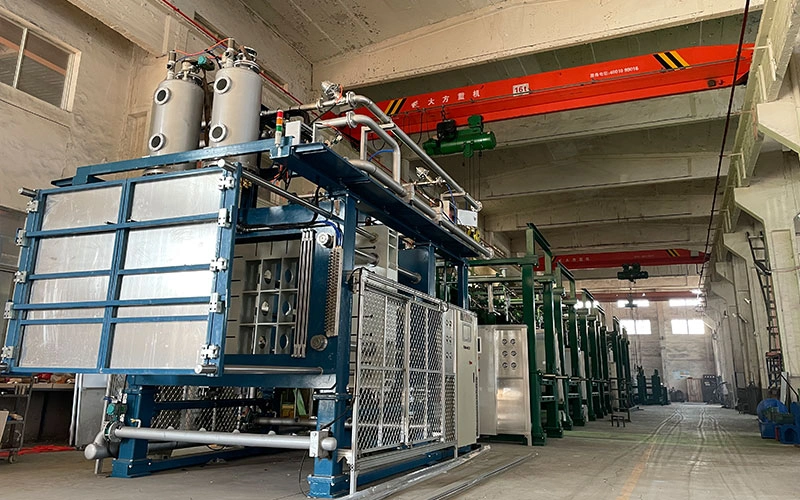
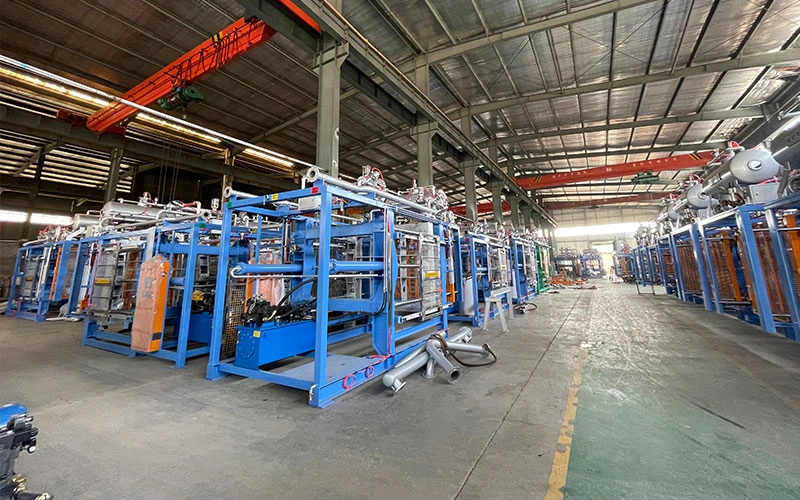
အောင်မြင်စွာအသုံးပြုမှုသည် ယုံကြည်စိတ်ချရသော ပုံစံပြုလုပ်သည့်စက်များ၊ အပေါ်ယံလွှာစနစ်များ၊ အခြောက်ခံခန်းများ၊ သဲကိုင်တွယ်ခြင်းနှင့် လောင်းထည့်သည့်လိုင်းများပေါ်တွင် မူတည်ပါသည်။ အလိုအလျောက်စနစ်များသည် အဖြူရောင်နှင့် အဝါရောင်နေရာများတွင် တသမတ်တည်းဖြစ်မှု၊ အထွက်နှုန်းနှင့် အရည်အသွေးကို တိုးတက်ကောင်းမွန်စေသည်။
မကြာခဏမေးသော မေးခွန်းများ (FAQ)
ပျောက်ဆုံးသွားတဲ့ မြှုပ်သွန်းခြင်းဆိုတာ ဘာလဲ။
ပျောက်ဆုံးသွားသောအမြှုပ်ပုံသွင်းခြင်းသည် သတ္တုဖွဲ့စည်းခြင်းလုပ်ငန်းစဉ်တစ်ခုဖြစ်သည်။ ပိုလီစတိုင်ရင်းအမြှုပ်ပုံစံသည် အရည်ပျော်နေသောသတ္တုထဲသို့ လောင်းထည့်သောအခါ အငွေ့ပျံသွားသည်။ ၎င်းသည် ပုံသွင်းပုံသဏ္ဍာန်ကို တိုက်ရိုက်ဖန်တီးပေးသည်။
ပျောက်ဆုံးသွားတဲ့ မြှုပ်သွန်းတာအတွက် ဘယ်ပစ္စည်းတွေက သင့်တော်လဲ။
၎င်းသည် အဓိကအားဖြင့် အလူမီနီယမ်၊ သွန်းသံ (မီးခိုးရောင်နှင့် ပုံသွင်းနိုင်သော)၊ ကြေးနီသတ္တုစပ်များနှင့် အလတ်စားမှ မြင့်မားသော ကာဗွန်သံမဏိများနှင့် ကိုက်ညီပါသည်။ ကာဗွန်နည်းသော သံမဏိများသည် ကာဗွန်ဓာတ်ပြောင်းလဲမှု၏ အကျိုးသက်ရောက်မှုကြောင့် ယေဘုယျအားဖြင့် မသင့်တော်ပါ။
ရိုးရာသဲပုံသွန်းခြင်းထက် အဓိကအားသာချက်တွေက ဘာတွေလဲ။
အဓိက အကျိုးကျေးဇူးများတွင် ခွဲထွက်နေသော မျဉ်းကြောင်းများ သို့မဟုတ် အလင်းပြန်မှုမရှိခြင်း၊ ရှုပ်ထွေးသော ဂျီသြမေတြီများအတွက် သာလွန်ကောင်းမွန်သော ဒီဇိုင်းလွတ်လပ်ခွင့်၊ စက်ယန္တရားဖြင့် ဖြတ်တောက်ခြင်း လျှော့ချခြင်းနှင့် ထုတ်လုပ်မှုအဆင့်များ ရိုးရှင်းခြင်းတို့ ပါဝင်သည်။
Lost foam casting က အသုတ်ငယ်ထုတ်လုပ်မှုအတွက် သင့်တော်ပါသလား။
ဟုတ်ကဲ့၊ အထူးသဖြင့် ပိုကြီးသော အစိတ်အပိုင်းများအတွက် ဘလောက်တပ်ဆင်နည်းလမ်းနှင့်ပတ်သက်လျှင်။ ပုတီးပုံသွင်းနည်းလမ်းသည် ပမာဏပိုများခြင်းကို ဦးစားပေးသော်လည်း နှစ်ခုစလုံးသည် ပြောင်းလွယ်ပြင်လွယ်ရှိသည်။
ပျောက်ဆုံးသွားသော အမြှုပ်ပုံသွင်းခြင်းများအတွက် ပုံမှန်နံရံအထူက ဘယ်လောက်လဲ။
ပုံသွင်းခြင်းများသည် အနည်းဆုံး နံရံအထူ ၄ မီလီမီတာခန့် လိုအပ်လေ့ရှိသည်။ ၎င်းသည် သတ္တုစပ်နှင့် ဒီဇိုင်းပေါ်တွင် မူတည်သည်။ သဲသိပ်သည်းဆ လုံလောက်ပါက အဓိကဖွဲ့စည်းပုံဆိုင်ရာ ကန့်သတ်ချက်များ မရှိပါ။
သဲအသုံးပြုမှုသည် ပျောက်ဆုံးသွားသောအမြှုပ်များကို ပုံသွင်းခြင်းတွင် မည်သို့ကွာခြားသနည်း။
ခြောက်သွေ့ပြီး ချည်နှောင်မထားသော သဲ (သို့မဟုတ် အထူးပြုလုပ်ထားသော မျိုးကွဲများ) ကို အဖြစ်များသည်။ ၎င်းသည် အစိမ်းရောင်သဲလုပ်ငန်းစဉ်များနှင့် နှိုင်းယှဉ်ပါက ပြန်လည်ပြုပြင်ရန် ပိုမိုလွယ်ကူပြီး ချည်နှောင်ရန် လိုအပ်ချက်များ နည်းပါးသည်။
Lost Foam Solutions အတွက် ဦးဆောင်ထုတ်လုပ်သူနှင့် မိတ်ဖက်
သွန်းလုပ်ခြင်းလုပ်ငန်းများကို အကောင်းဆုံးဖြစ်အောင်လုပ်ဆောင်လိုသော ထုတ်လုပ်ရေးလုပ်ငန်းများသည် တည်ထောင်ပြီးသော ပေးသွင်းသူများထံမှ အဆင့်မြင့်ပျောက်ဆုံးနေသော အမြှုပ်သွန်းလုပ်သည့်ပစ္စည်းများကို ထည့်သွင်းစဉ်းစားသင့်သည်။ အထူးပြုထုတ်လုပ်သူ၊ ပေးသွင်းသူနှင့် စက်ရုံတစ်ခုအနေဖြင့်၊ OC နည်းပညာ အဆင့်မြင့် ဉာဏ်ရည်ထက်မြက်သော ပျောက်ဆုံးသွားသော အမြှုပ်ပုံသွင်း စက်ပစ္စည်းများကို ပို့ဆောင်ပေးပါသည်။ ၎င်းတွင် အလိုအလျောက် အဖြူရောင်ဧရိယာစနစ်များ၊ ပုံသွင်းစက်များ၊ အခြောက်ခံယူနစ်များနှင့် ပြီးပြည့်စုံသော ထုတ်လုပ်မှုလိုင်းများ ပါဝင်သည်။ ၎င်းတို့၏ ဖြေရှင်းချက်များသည် မတူညီသော စက်မှုလုပ်ငန်း လိုအပ်ချက်များအတွက် ထိရောက်ပြီး အရည်အသွေးမြင့် အထွက်နှုန်းကို ပံ့ပိုးပေးပါသည်။ စိတ်ကြိုက်ပြုလုပ်ထားသော စနစ်များကို စူးစမ်းလေ့လာပါ OC နည်းပညာကို ဆက်သွယ်ပါ သူတို့ရဲ့ official channel တွေကနေ တိုက်ရိုက်


 Malay
Malay  English
  Arabic
  Hindi
Hindi  Indonesian
  Japanese
  Korean
  Portuguese
  Spanish
  Thai
Thai  Vietnamese