
Lost foam casting stands out as a highly advanced and budget-friendly way to shape metal. It works well for makers who want tricky shapes, slim walls, and parts that need little extra work. The trick lies in a foam model that vanishes when hot metal flows in. This lets factories build one-piece items with few inner supports and almost no follow-up cutting.
This piece dives into items built with lost foam casting, fields that gain from it, metals involved, and how top-notch lost foam casting CNC machines—like that from OC Technology—boosts speed and finish.
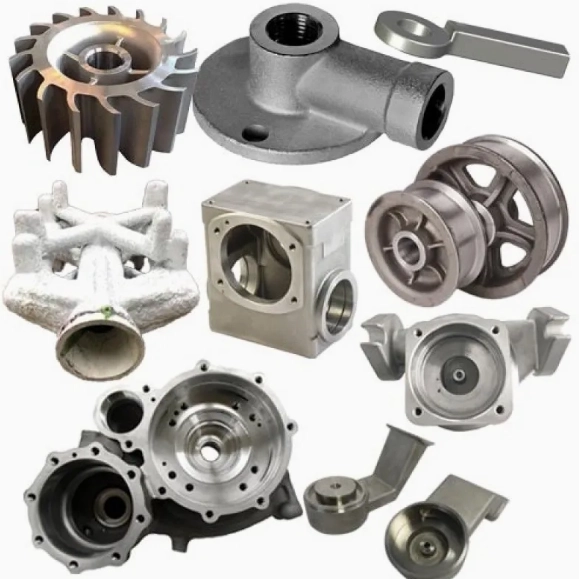
Key Industries and Typical Parts Made by Lost Foam Casting
Automotive Industry
The car business stays a top user of lost foam casting. Light builds and joined pieces cut car mass yet keep power and function. Usual car lost foam castings cover:
Cylinder blocks and cylinder heads (in aluminum and ductile iron).
Intake and exhaust manifolds with built-in paths and mounts.
Transmission housings, gearbox cases, and differential housings.
Steering knuckles, suspension arms, and exact brake parts.
These items gain from lost foam casting’s skill to form detailed inner spaces and thin walls with great care.
Heavy Equipment and Construction Machinery
In big machine fields, lost foam casting builds huge, tough pieces that handle harsh stress.
Normal cases include:
Pump housings and volutes for fluid systems.
Engine blocks, crankcases, and transmission housings for off-road rides.
Frame castings with attach edges that swap out many welded bits.
With lost foam casting gear, makers trim welding, cutting, and joining time. They also secure steady strength.
Fluid Handling, Pumps, and Valves
The fluid control field leans hard on lost foam casting for pieces with twisted inner paths and smooth flow.
Common lost foam casting uses here include:
Pump volutes, impellers, and casings with clear flow lines.
Valve bodies and multi-port manifolds that once needed core builds.
Meter housings, filters, and fine fittings for fluid setups.
By running automatic lost foam casting gear, shops craft these hard forms fast. They boost size truth and cut leak chances.
Aerospace and Defense
Exact and light frames make lost foam casting useful in air and defense work.
Usual parts include:
Light brackets, housings, and ducts.
Twisted air paths for cooling or frame help.
Though key flight parts may need special checks, lost foam casting stays key for side and non-frame air uses. It cuts join steps and gives great design choice.
Industrial Machinery and Energy
Lost foam casting aids power making and factory gear fields. It builds strong, heat-proof pieces such as:
Turbine casings and impellers.
Compressor housings and bearing supports.
Heat exchanger shells with inner cool paths.
By blending many design bits into one cast, lost foam casting raises trust and cuts fix needs for factory tools.
Art, Architecture, and Specialty Castings
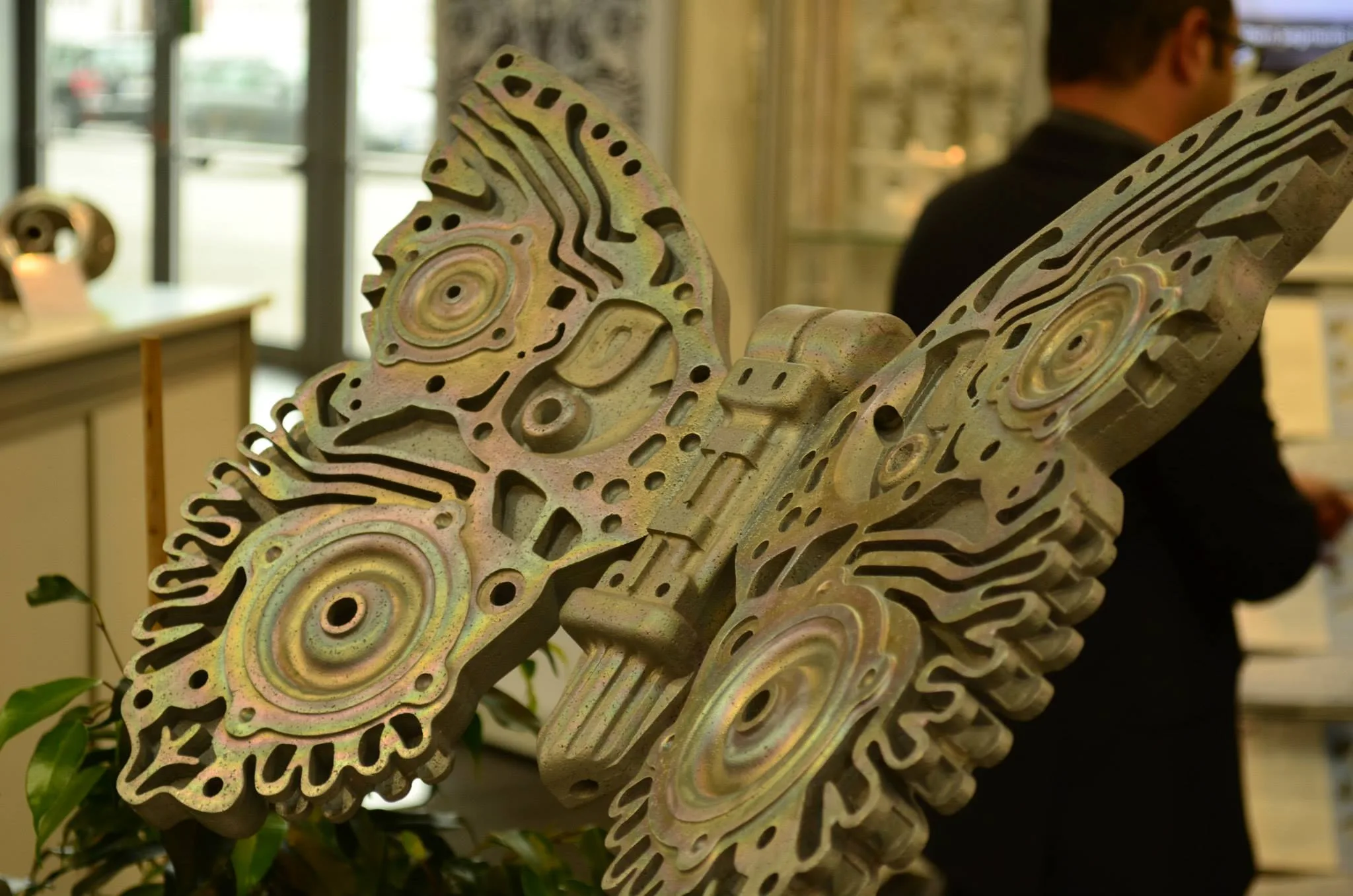
Past factory uses, lost foam casting serves art and building goals.
Cases include:
Big sculptures with natural, soft faces.
Custom lights, chairs, and pretty fronts.
Since lost foam casting gear allows wide design freedom, creators and planners bring rare shapes to life. They skip costly molds or after-work.
Design Advantages of Lost Foam Casting
Lost foam casting brings many pluses over old sand casting or die casting:
Thin walls down to 2–3 mm depending on the alloy.
Undercuts and tricky shapes without core needs.
Built-in ribs and mounts for easy join.
Near-net-shape builds, cutting machine work and scrap.
These gains fit lost foam casting for makers and shops that focus on output, function, and green ways.
Materials Used in Lost Foam Casting
Many metals work with lost foam casting gear, based on the job:
Aluminum alloys: Great for car and pump parts due to light weight and rust fight.
Gray and ductile iron: Picked for tough machines and engine blocks.
Low-alloy steels and stainless steels: Chosen for strong and rust-proof needs.
Metal choice often comes from strength needs, cast size, and heat control during pour.
Process Strengths and Economic Advantages
Lost foam casting gear offers clear work and cost wins for shops and makers:
Lower mold cost: Foam models form quick and cheap versus cut cores.
Part join: Many bits merge into one cast, trimming welds and bolts.
Less cut time: Near-net-shape truth drops CNC steps.
Growth ease: Fits test, mid, and big runs with auto pattern shape, coat, and pour systems.
These money wins turn lost foam casting into a top efficient way for exact cast fields around the world.
Engineering Challenges and Quality Control
Though lost foam casting gives clear wins, steady finish needs tight control:
Good vent and gate plans stop swirl and gas holes.
Even pattern coat depth secures soft faces.
Set metal pour heat stops flaws like short runs.
After-cast heat treat and checks prove strength truth.
New lost foam casting gear—like auto coat and vacuum pour lines—helps clear these issues. It sets standard output finish.
FAQ: What Can Be Made from Lost Foam Casting
Q1: What types of parts can be made using lost foam casting?
Lost foam casting can build all from tiny exact bits to huge engine blocks and pump housings.
Q2: What are the benefits of lost foam casting for manufacturers?
It allows design choice, less join, light frames, and lower mold costs.
Q3: Which materials work best in lost foam casting?
Aluminum and ductile iron are most common, but steel and stainless steel can also be used.
Q4: Is lost foam casting suitable for mass production?
Yes. With modern lost foam casting gear, makers reach high-volume, repeat results.
Q5: Can lost foam casting produce thin-walled structures?
Absolutely. Wall thicknesses as low as a few millimeters are possible with right process control.
Q6: How does lost foam casting compare to sand casting?
Lost foam casting gives better size truth, softer faces, and skips core needs.
Call to Action for Manufacturers and Suppliers
OC Technology — Professional Lost Foam Casting Equipment Manufacturer & Supplier
For shops and makers who want to lift output power, OC Technology offers top lost foam casting gear answers built for speed, exactness, and growth.
Based in Hangzhou, China, OC Technology is a National High-Tech Enterprise and an active partner of the China Lost Foam Industry Association. The company plans and builds:
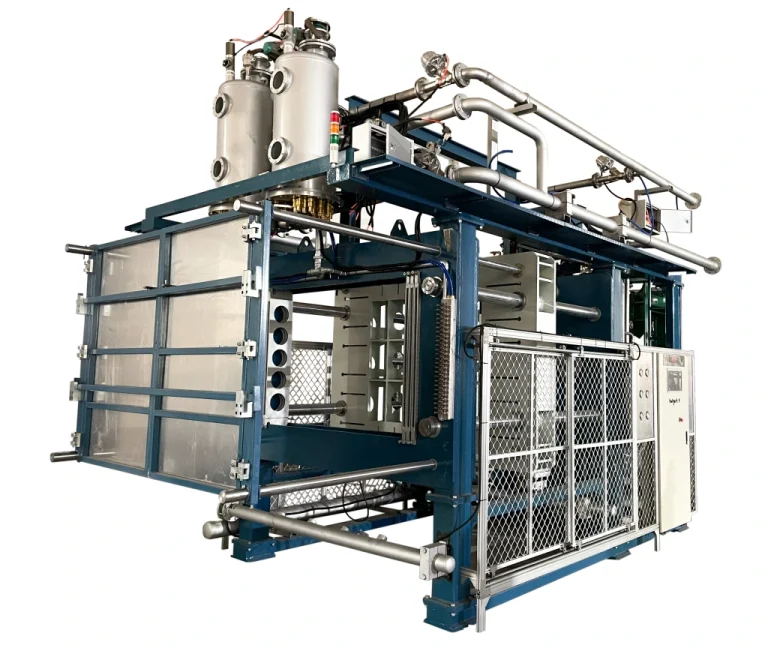
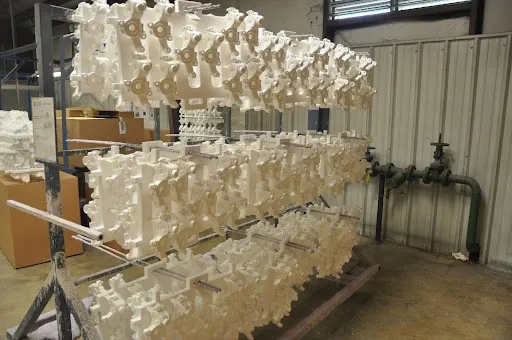
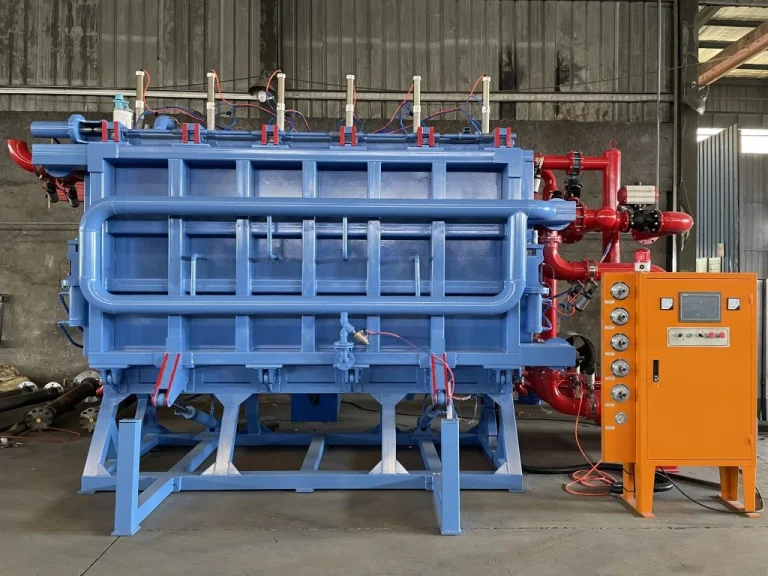
Fully automatic EPS shape molding machines for foam pattern production.
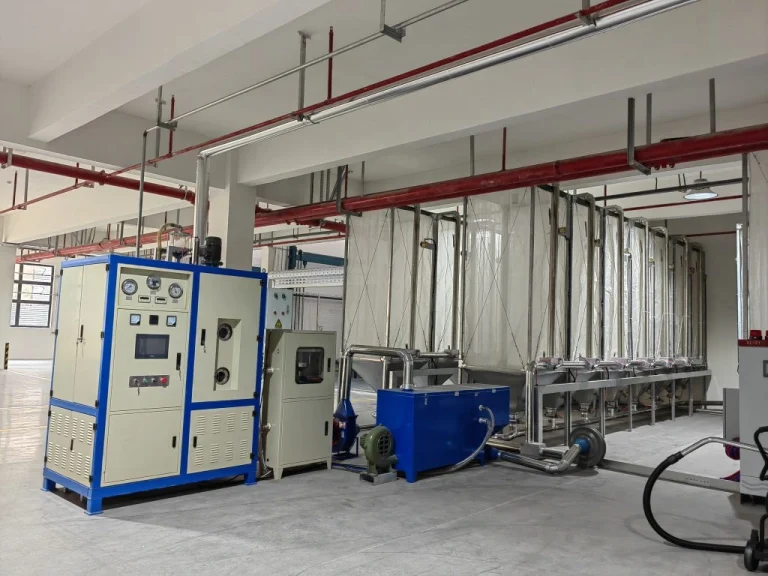
Energy-efficient air dryers with heat pump systems.
High-performance vacuum casting lines for defect-free pouring.
OC Technology’s gear aids jobs from car engine blocks to valve bodies and factory pump housings. It helps shops cut energy use by up to 30% while raising cast finish.
Contact OC Technology today to talk custom lost foam casting gear answers. They can smooth work, boost cast exactness, and aid growth in making.
📞 Phone: +86 15988479417
📧 Email: zyh@oc-epc.com
🌐 Website: www.oc-epc.com

 English
  Arabic
  Hindi
Hindi  Indonesian
  Japanese
  Korean
  Malay
Malay  Portuguese
  Spanish
  Thai
Thai  Vietnamese