
Lançamento de espuma perdida, also known as evaporative pattern casting or EPC, is a precise and efficient way to cast metal. It makes complex parts with very little extra machining needed. The key part of this method is the foam pattern. This pattern shapes the mold space and turns into vapor when hot metal touches it. Picking the right foam helps control the quality of the cast part. It affects surface smoothness, size accuracy, and how well the whole process runs.
Most people in the industry use expanded polystyrene (EPS) as the main foam for lançamento de espuma perdida. This piece looks at the foams people choose, their important features, ways to make patterns, rules for picking foam, how it fits into the process, and the good results it brings. Knowing these details lets factories improve their lost foam casting work. They use it for car parts, machine pieces, and other items that need high accuracy.
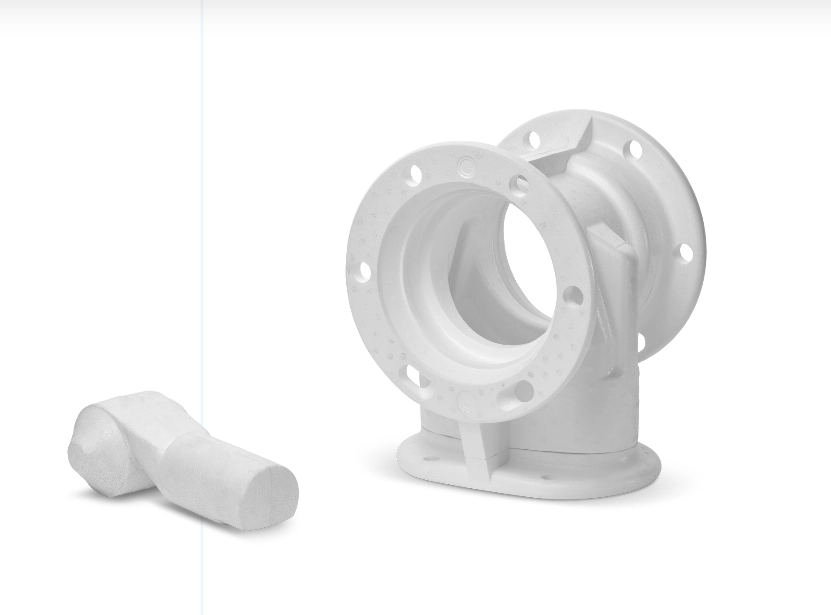
Compreendendo o processo de fundição de espuma perdida
Foam Pattern Design for Lost Foam Casting
The lost foam casting process starts when workers create a foam pattern. This pattern matches the final part shape. It includes inside channels and tricky details.
Refractory Coating and Dry Sand Mold Preparation
Workers put a thin refractory coating on the pattern. Then they place it in loose dry sand inside a flask. Hot metal pours in through the gating system. It burns away the foam and fills the empty space to make the cast part.
Advantages of the Cavity-Less Lost Foam Casting Method
This method without a cavity gets rid of regular cores and parting lines. It allows parts close to final shape. The foam pattern needs to stay strong during coating and sand pressing. Yet it must break down fully without leaving bits behind.
Production Areas in a Lost Foam Casting Plant
The correct foam for lost foam casting lets gases escape easily. It stops problems like holes or carbon marks. It also works well for large production runs. The white area handles pattern making. The yellow area deals with coating. The black area takes care of sand and pouring.
Primary Foam Material in Lost Foam Casting: Expanded Polystyrene (EPS)
Why Expanded Polystyrene Is Used in Lost Foam Casting
Expanded polystyrene (EPS) is the usual foam material in most lost foam casting setups.
Structure and Composition of EPS Foam Beads
EPS has about 2.5% polystyrene and 97.5% air. People expand tiny polystyrene beads with steam in a mold. The light structure gives good size control and clean burning.
EPS Vaporization Behavior During Metal Pouring
When casting happens, EPS turns into gas. The gas leaves through the open sand mold. It leaves no solid waste if conditions stay right.
Casting Precision Achieved with EPS Foam Patterns
This clean burning makes EPS good for aluminum, ductile iron, gray iron, and some steel alloys. EPS patterns hold tight sizes, often within ±0.005 mm/mm. They give surface finishes from 2.5 to 25 μm RMS. Factories like EPS because it costs less, can be recycled, and comes as beads for big production.
Key Properties Required for Foam in Lost Foam Casting
EPS Foam Density Requirements for Casting Patterns
Good lost foam casting needs certain foam features. The foam must handle moving, coating, and sand pressing. It also needs full burning. Density is one of the main things.
EPS foam for patterns usually falls between 1.4 and 5.0 pounds per cubic foot (pcf). Densities under 1.4 pcf become too weak for complex shapes. They can bend during coating or shaking. Densities from 2.0 to 3.0 pcf offer a good mix of strength and burning speed for many jobs.
Cell Structure and Dimensional Stability
Size stability stops bending from coating weight or sand force. The foam needs even cell size. This avoids gas spots that cause bad surfaces.
Machinability and Thermal Performance of Foam Patterns
Good cutting lets workers shape patterns with hot-wire tools or CNC machines. Heat resistance keeps the shape until metal arrives.
Environmental and Emission Considerations
Clean burning without carbon or sulfur bits matters a lot for iron metals. Impurities cause defects or holes. Eco concerns push for foams with low bad gases and recycling options.
These features together let the foam pattern copy detailed designs. Traditional ways cannot make them as cheaply.
How Foam Patterns Are Created for Lost Foam Casting
EPS Bead Pre-Foaming Process
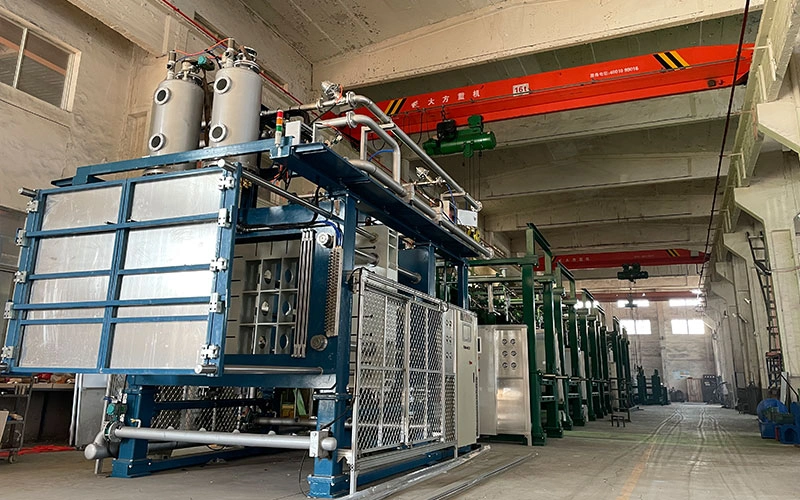
Pattern making happens in the white area of the lost foam casting plant. Special machines process beads and mold them. Raw EPS beads go into pre-foaming units first. There, steam and pressure expand them to the needed density under control.
Bead Aging and Maturation in Silos
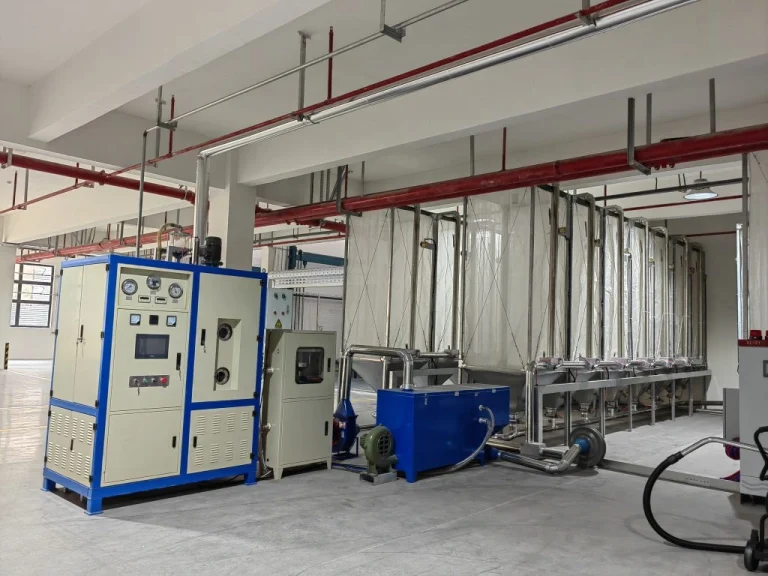
The expanded beads rest in silos. They reach steady moisture and pressure. This step builds better pattern strength and helps coating stick.
EPS Pattern Molding with Foam Molding Machines
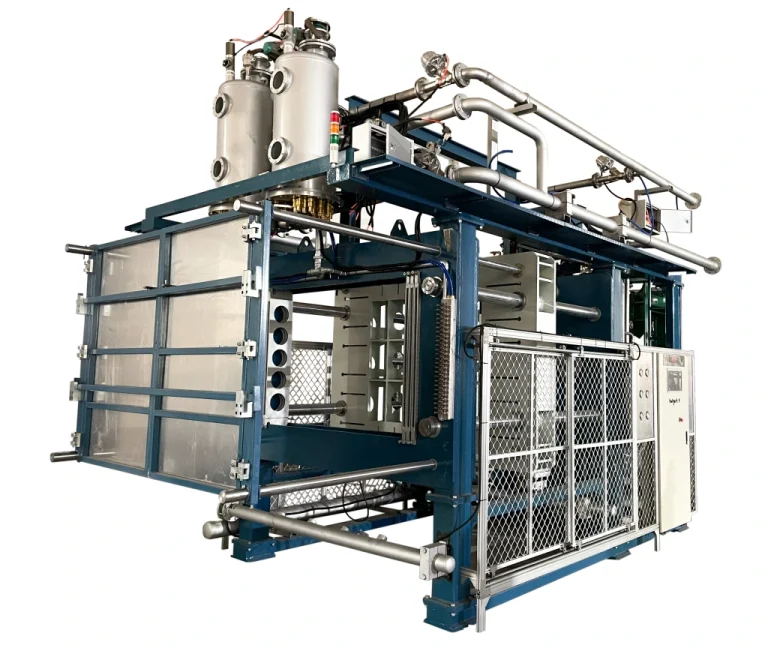
Expanded beads move to foam molding machines. These have hydraulic parts and vacuum cooling. Machines push beads into aluminum tools. They use exact heat and pressure steps. This makes accurate patterns in one go.
CNC Cutting and EPS Block Processing
Foam sheet machines create big EPS blocks. Workers cut them by hand or with CNC for special shapes.
Automation in Lost Foam Pattern Production Lines
Central vacuum systems keep steady low pressure during molding and cooling. This stops shape changes and saves energy. Modern white-area lines use automation for steady density and quick tool switches. They support fast production. Good pattern making affects coating evenness and final cast quality in lost foam casting.
What Density Foam Is Ideal for Lost Foam Casting Patterns?
Recommended EPS Density for Aluminum Castings
Density choice depends on part shape, metal kind, and output amount. Simple aluminum parts work well with 1.4 to 2.0 pcf EPS. It gives enough strength and quick burning.
Density Range for Iron and Steel Castings
Complex iron or steel parts do better with 2.5 to 4.0 pcf densities. This resists bending from thick coatings and high pour heat.
Optimizing Foam Density for Casting Quality
Too dense foam slows burning and raises gas amount. This risks pressure problems. Very low densities make handling hard and cause breaks.
Factories test samples with different densities in real conditions. This finds the best range. Advanced software predicts burning and helps pick density before full runs.
EPS Foam vs Other Materials in Lost Foam Casting
Foam extraída de Polistireno (XPS)
EPS leads in lost foam casting because it balances results and cost. But extruded polystyrene (XPS) works as another choice in some cases.
XPS has a closed-cell build from extrusion. It gives smoother faces and better pressure hold for detailed test pieces. Still, XPS costs more and burns a bit slower than EPS.
PMMA Foam for High-Temperature Steel Castings
High-grade polymethacryl methacrylate (PMMA) foam fits high-heat steel casting. It gives better size hold and accuracy. This makes up for the higher price.
Why Polyurethane Foam Is Rarely Used
Polyurethane foam sees little use because of leftover bits and gas worries. For most factory work, EPS stays the top choice for lost foam casting. It has a strong history in large-scale settings.
Advantages of Using High-Quality Foam in Lost Foam Casting
Near-Net-Shape Manufacturing Benefits
Good foam patterns bring many work gains. Near-final shape cuts machining by up to 50%. This lowers waste and finish costs.
Improved Design Flexibility Without Cores
Complex inside features form without cores or extra steps. This makes design easier and shortens time to start.
Energy Efficiency and Environmental Benefits
Smooth surfaces cut extra work. Energy use drops because the method uses dry sand and skips binder heating.
Eco effects lessen with recyclable foam and less sand waste. Steady foam traits give same quality over big runs. This helps fields that need exact sizes and clean castings.
Common Applications of Lost Foam Casting with Proper Foam
Automotive Lost Foam Casting Applications
Lost foam casting with good EPS foam fits many areas. Car makers produce engine blocks, cylinder heads, intake manifolds, and suspension pieces with detailed cooling paths.
Heavy Machinery and Industrial Equipment
Farm and building machine makers create gearbox housings, pump bodies, and strong brackets.
Aerospace and Precision Machinery Components
The method works well in aerospace for light structural parts. It also suits general machines for valve bodies and compressor housings.
Prototype Development and High-Volume Production
Big runs of same parts save money. Prototype work gains from fast pattern cutting. Fields like this method for thin walls and undercuts. Regular sand casting cannot make them as cheaply.
Challenges and Best Practices in Foam Usage for Lost Foam Casting
Common Foam Pattern Problems
Possible issues include weak patterns during moving, coating flaws from uneven density, and trapped gas if vents fall short.
Best Practices for EPS Pattern Production
Best steps fix these in clear ways. Keep tight control on bead pre-expansion for even density. Put on refractory coatings at right thickness with auto mixers and dryers. Add planned vents and risers in pattern design.
Process Monitoring and Simulation Optimization
Regular checks on patterns and process tracking stop flaws. Simulation tools guess metal flow and foam breakdown. They let workers tune settings before runs.
Training staff on foam storage and rest conditions keeps material good. These steps get the most from foam in lost foam casting. They keep high cast success rates.
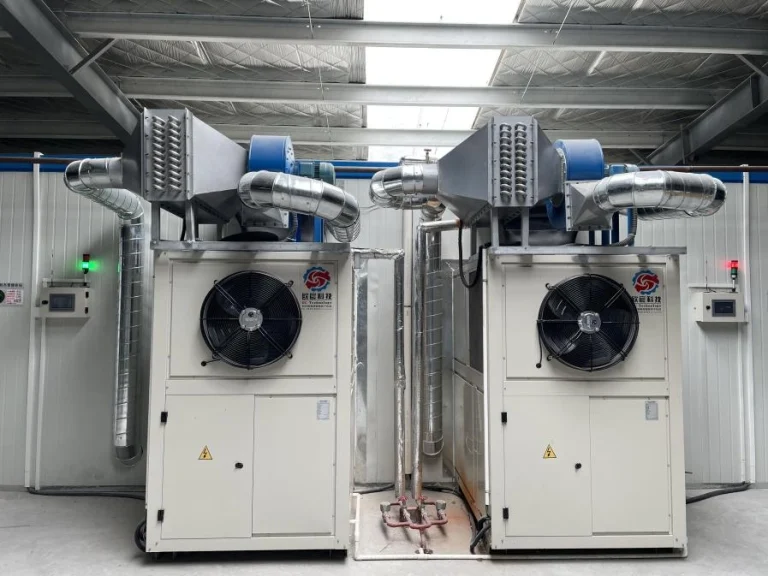
Established providers such as Tecnologia OC specialize in the equipment necessary for producing high-quality foam patterns and complete lost foam casting lines. Their offerings include EPS block molding machines, pre-foaming machines, foam molding machines, air dryers, central vacuum systems, lift-type paint mixers, and maturation silos, supporting efficient and automated production. Contact OC Technology hoje.

 Portuguese
  English
  Arabic
  Hindi
Hindi  Indonesian
  Japanese
  Korean
  Malay
Malay  Spanish
  Thai
Thai  Vietnamese