
A successful equipment handover depends on more than confirming that a machine operates correctly at the supplier’s factory. For international foundry projects, the equipment must also be installed, connected to site utilities, commissioned, and verified under the operating conditions defined for the final plant.
For buyers of Thiết bị đúc bọt bị mất, this usually involves three distinct stages: Factory Acceptance Test (FAT) before shipment, commissioning after installation, and Site Acceptance Test (SAT) before final handover. Each stage serves a different purpose, and the acceptance criteria should be defined before testing begins.
In 2026, industrial equipment buyers are placing greater emphasis on documented acceptance procedures, clear project responsibilities, and traceable test records. A well-defined FAT, commissioning, and SAT process helps purchasing and engineering teams reduce ambiguity, manage open items more effectively, and confirm that the supplied equipment matches the agreed technical and commercial scope. Công nghệ OC supports project-specific lost foam casting equipment and EPC applications where commissioning, site interfaces, and acceptance responsibilities need to be coordinated from the early project stage.
Equipment Acceptance Process: FAT, Commissioning and SAT Responsibilities
FAT, commissioning, and SAT belong to the same project, but they do not serve the same purpose. Buyers should know what can reasonably be verified before shipment and what depends on the final installation. Keeping these stages separate also makes responsibility clearer when purchasing, engineering, site contractors, and the equipment supplier are working across different countries.
Factory Acceptance Test: Pre-Shipment Functional Verification
MỘT factory acceptance test verifies the supplied configuration and agreed functions before shipment.
It goes beyond a basic pre-shipment inspection. Depending on the contract scope, the FAT may cover operating sequences, controls, applicable safety functions, alarms or interlocks, interface points, and required documents.
Các factory acceptance test procedure should be agreed before testing begins. A supplier demonstration and a contractual FAT are not necessarily the same thing.
Commissioning: Installed-Equipment Readiness
Commissioning begins after installation reaches the required level of readiness. Connections are checked, the equipment is started in its installed environment, and agreed operating functions are prepared for site testing.
This stage can also reveal issues that are specific to site conditions, such as an incomplete utility connection or an interface that still needs local work. These are not automatically equipment defects; the commissioning record should distinguish the cause clearly.
Site Acceptance Test: Verification Under Plant Conditions
MỘT site acceptance test checks the installed equipment against the agreed site acceptance criteria.
Unlike FAT, SAT takes place with real plant utilities and actual installation interfaces. Its purpose is not to invent a second specification after delivery. The SAT should verify the requirements already defined for the project.
FAT Scope and Acceptance Criteria for Lost Foam Casting Equipment
A useful FAT starts with the contract scope, not with a generic checklist copied from another project. The exact test should reflect the machine, purchased options, agreed interfaces, and functions included in the order. For buyers reviewing Thiết bị đúc bọt bị mất, this is especially important because equipment configurations and site requirements can vary from one foundry project to another.
Verify Equipment Configuration Against the Contract Scope
Before functional testing, the buyer and supplier should confirm that the equipment matches the approved order.
A practical factory acceptance test checklist can include:
- machine model and agreed configuration;
- purchased options and accessories;
- applicable utility and interface points;
- control functions included in the order;
- relevant technical documents;
- agreed safety or protection functions.
This step sounds basic, but it establishes the reference point for everything that follows.
Conduct Functional Tests Against Agreed Acceptance Criteria
Functional testing should answer a straightforward question: does the supplied equipment perform the functions defined in the technical agreement?
Where PLC-controlled functions are included, the FAT scope may cover the agreed operating sequence, parameter access, start-stop behavior, and applicable alarm or protective responses. There is no need to add unrelated tests simply because a machine has a PLC.
The same principle applies to performance criteria. If cycle time, output, or another measurable target forms part of the acceptance requirement, the test method and conditions should be agreed in advance.
Manage FAT Punch Lists and Shipment Release
Not every open item automatically prevents shipment. What matters is that the status is visible.
MỘT FAT punch list should state the item, responsible party, required action, and closure status. Shipment release can then follow the commercial and technical conditions agreed by both sides.
This also gives the site team a clean record when installation begins.
Site Readiness and Equipment Commissioning Checklist
Passing FAT does not mean the destination plant is ready for commissioning. Before technicians arrive, the buyer should review a site readiness checklist covering utilities, foundations, access, interfaces, and local responsibilities. This is particularly important on overseas projects, where a missing connection can affect the entire commissioning schedule even when the equipment itself is ready.
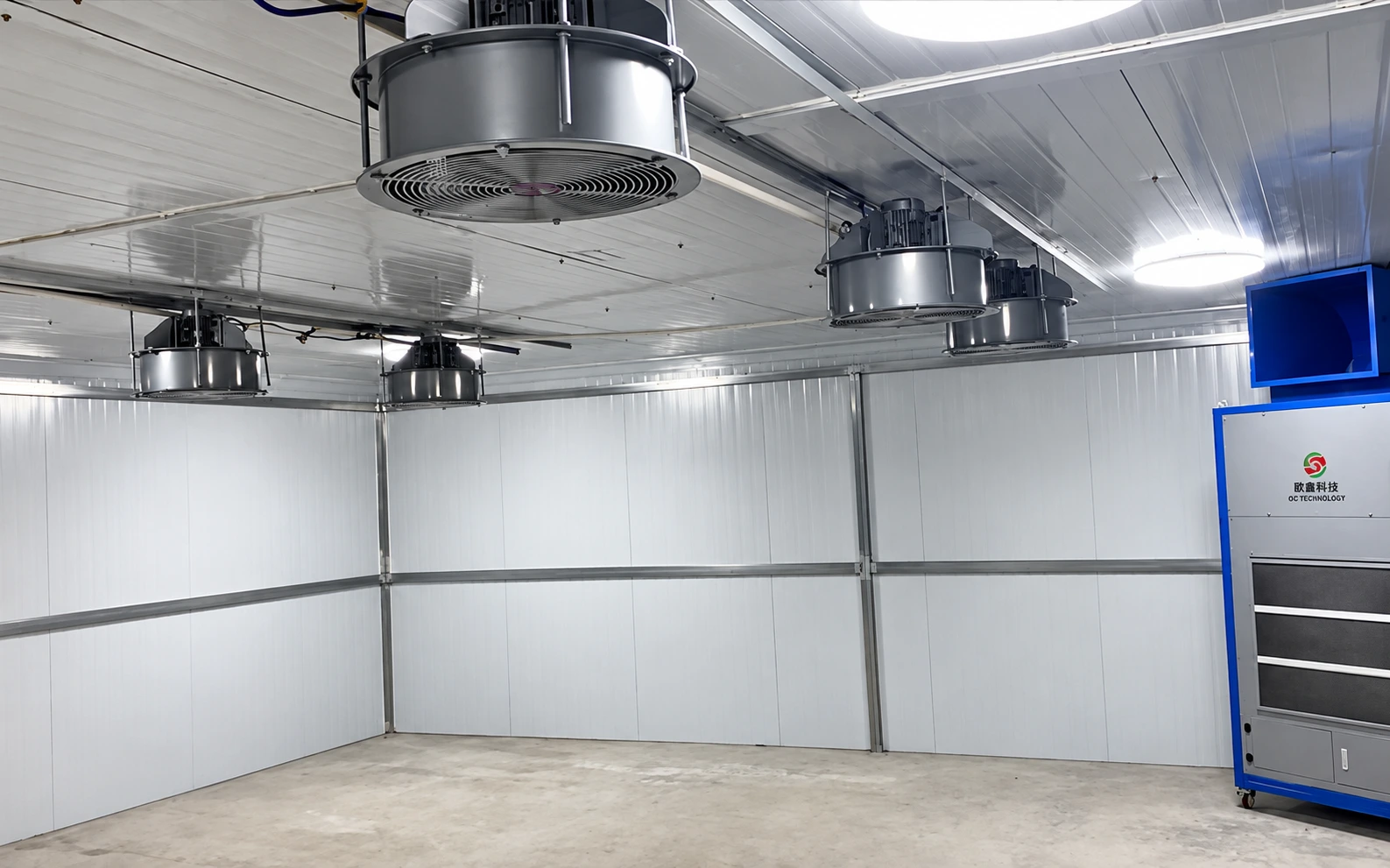
Verify Utilities, Foundations and Installation Interfaces
Required utilities depend on the actual equipment scope. They may include electrical power, compressed air, steam, cooling water, drainage, or vacuum-related connections.
For example, equipment such as a Hệ thống chân không trung tâm depends on defined site interfaces, so those connections should be checked against the project requirements before commissioning.
Foundation positions, cable routes, piping access, lifting space, and maintenance clearance should also be reviewed. This is where a machinery commissioning checklist becomes useful: it turns site readiness into something the project team can actually confirm.
Confirm Site Responsibilities and Operator Readiness
A technically ready site also needs clear ownership.
The buyer and supplier should know who handles local lifting, piping, electrical connections, site access, test materials, and operator participation. If training is part of the agreed scope, the relevant operators should be available during the appropriate commissioning stage.
Clear responsibility reduces delays and keeps the technical team focused on commissioning rather than site coordination that could have been settled earlier.
Site Acceptance Testing and Final Equipment Handover
SAT is the point where factory verification and site commissioning come together. The equipment is now installed in the plant, so the buyer can check agreed functions in the real operating environment. A professional SAT checklist should stay tied to the signed technical basis, while open items are recorded and closed through a controlled handover process.

Compare SAT Results Against the FAT Baseline
FAT and SAT results do not have to look identical because the test environments are different.
The FAT record provides a useful baseline. If a function behaved correctly before shipment but differently after installation, the project team can review transport, connections, utilities, configuration, and site interfaces in a more structured way.
That is far more useful than starting troubleshooting with no previous acceptance record.
Verify Installed Interfaces and Agreed Operating Functions
SAT should focus on installed interfaces and the operating functions defined for final acceptance.
Output, cycle time, or other performance figures should only become pass/fail criteria when they are included in the agreed machinery acceptance criteria. Adding new targets after delivery creates an unclear commercial boundary and does not improve the test.
For integrated systems, interface verification may also form part of the agreed FAT/SAT or SIT plan.
Close the SAT Punch List Before Handover
Open SAT items should be documented, assigned, and closed according to the agreed procedure.
The final equipment handover checklist can then bring together the acceptance status, remaining responsibilities, and relevant project records. This gives both purchasing and engineering teams a clear end point instead of leaving small issues unresolved after startup.
Acceptance Records and FAT/SAT Requirements in the RFQ
Good acceptance documentation starts before equipment manufacturing is finished. The RFQ and technical agreement should establish the basic FAT and SAT framework, while the final handover package records what actually happened. This creates a consistent trail from purchase decision through commissioning and final acceptance, which is especially useful for international B2B projects.
Define Acceptance Criteria Before the Purchase Order
The equipment RFQ can define the requested FAT and SAT scope, witness method, test conditions, responsibility for test materials, pass/fail criteria, punch-list handling, retesting, and shipment-release conditions.
Buyers do not need an unnecessarily complicated protocol. They do need enough detail for competing proposals to be compared on the same basis.
Where acceptance depends on production conditions, those conditions should be stated rather than assumed.
Maintain FAT, SAT and Commissioning Records
Depending on the agreed scope, final records may include FAT results, SAT results, closed punch lists, applicable drawings, commissioning records, operating documents, and training records where relevant.
The purpose is practical traceability. A future maintenance team should be able to see what was accepted and what changed during commissioning without rebuilding the project history from scattered emails.
Phần kết luận
For industrial equipment buyers, FAT, commissioning, and SAT should form a controlled acceptance process rather than three unrelated events. FAT verifies agreed functions before shipment, commissioning prepares the installed equipment for operation, and SAT confirms the agreed requirements under plant conditions.
Defining the FAT checklist, equipment commissioning checklist, SAT requirements, and handover criteria early gives both buyer and supplier a clearer technical boundary.
For a project-specific review of lost foam casting equipment, acceptance requirements, or commissioning scope, liên hệ với công nghệ OC with the equipment scope, site conditions, and required project responsibilities.
Câu hỏi thường gặp
Q1: What is a factory acceptance test for foundry equipment?
A: A factory acceptance test verifies that the equipment matches the agreed configuration and that specified functions can be demonstrated before shipment. The exact FAT scope should follow the purchase contract and technical agreement.
Q2: What is the difference between FAT and SAT?
A: FAT is performed before shipment at the supplier’s facility. A site acceptance test is performed after installation and commissioning to verify the agreed equipment functions under actual site conditions.
Q3: What should be included in a factory acceptance test checklist?
A: A factory acceptance test checklist can cover equipment configuration, agreed functional tests, controls where applicable, utility interfaces, relevant documents, punch-list items, and shipment-release criteria.
Q4: What should be included in an equipment commissioning checklist?
A: An equipment commissioning checklist should cover applicable utilities, foundations, installation interfaces, electrical and piping readiness, site access, responsible personnel, operator availability, and open installation items.
Q5: When should FAT and SAT requirements be agreed with an equipment supplier?
A: FAT and SAT requirements should be discussed during the RFQ and technical-agreement stage. Early agreement on test conditions, acceptance criteria, responsibilities, punch-list handling, and shipment release makes final equipment acceptance much clearer.


 Vietnamese
  English
  Arabic
  Hindi
Hindi  Indonesian
  Japanese
  Korean
  Malay
Malay  Portuguese
  Spanish
  Thai
Thai