
In the realm of modern foundry operations, the demand for high-precision, high-efficiency casting methods continues to grow. One method that has proven particularly effective for complex ductile iron castings is the Lost Foam Casting process (also known as EPC). For foundries manufacturing ductile iron parts, equipment from a reputable lost foam casting line manufacturer and foundry equipment supplier is critical. In this article we’ll explore how a full lost foam ductile iron castings line works, the key equipment modules, why it matters for ductile iron, and how to evaluate a manufacturer such as Công nghệ OC for your investment.
Why Lost Foam Casting for Ductile Iron?
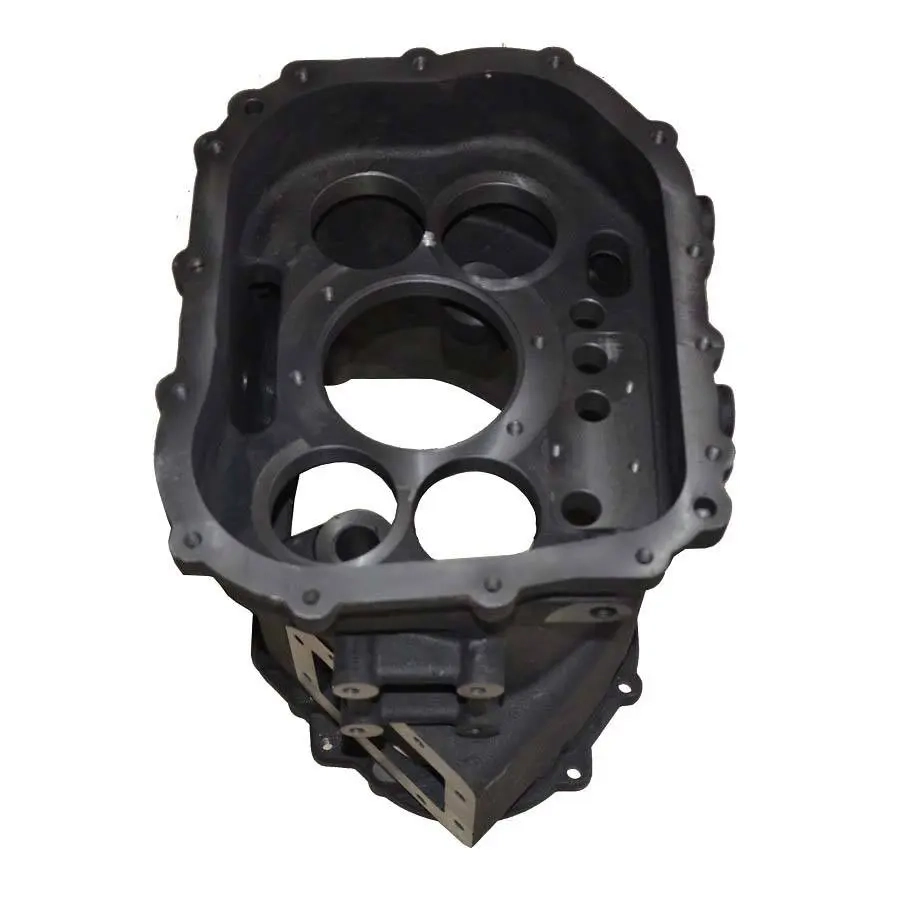
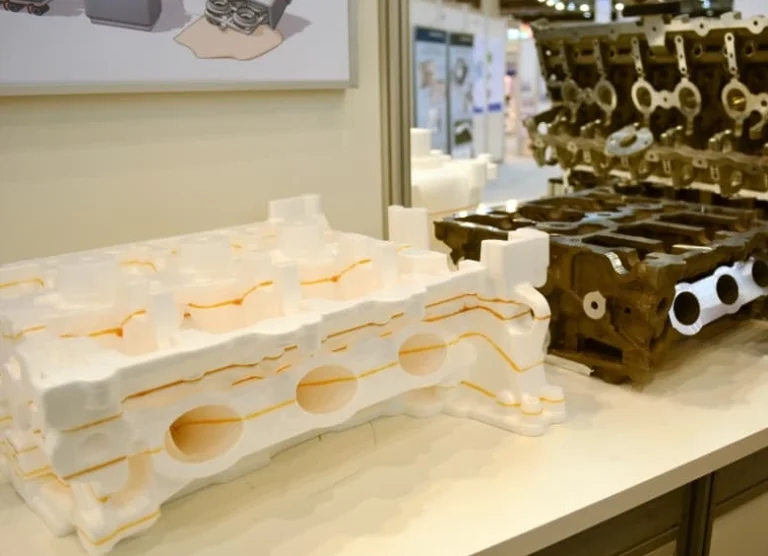
The casting of ductile iron components using lost foam offers several compelling advantages over traditional sand-casting or mold-and-core methods. In particular, the method enables near-net-shape ductile iron parts with fewer cores, fewer machining steps and greater design freedom. For foundries producing ductile iron castings, this means:
Ability to cast complex geometries (thin walls, internal passages) while maintaining dimensional accuracy.
Reduced waste of sand, foam, and auxiliary cores. The dry sand used in lost foam can be reused more easily.
Improved surface finish and lower secondary machining for ductile iron parts—particularly important when producing castings that must meet strict tolerance and mechanical properties.
Better suitability for ductile iron alloy systems, as foundries can rely on predictable solidification behaviours in the lost foam environment.
Because of these benefits, investing in a high-quality lost foam casting equipment manufacturer and full line solution is increasingly becoming a priority for foundries focused on ductile iron.
Overview of a Lost Foam Ductile Iron Casting Line
When considering “lost foam ductile iron castings” equipment procurement, it’s helpful to break down the full line into its major modules. A comprehensive line from a foundry equipment supplier will typically include:
1. Foam Sheet / Pattern Machine
This unit produces foam boards or segments that will become the mold patterns. For example, OC Technology describes a machine where the plate size (length & width) is adjustable via encoder control and operator input on a touch-screen, enabling stepless changes. The system also manages recycled materials mixing ratio and ensures consistent foam density.
2. Fully-Automatic Pre-Foaming Machine (Including Fluidized Drying Bed)
This system expands the raw polystyrene beads (EPS, copolymer) to the required densities. OC Technology’s models (e.g., OC-YF-Y450, OC-YF-Y550) cover capacities of 40 kg, 60 kg, with PLC control, bottom discharge, electromagnetic + steam foaming, weighing accuracy ±1 g, vibration screening of beads, etc.
3. Maturation Silo / Bead Handling System
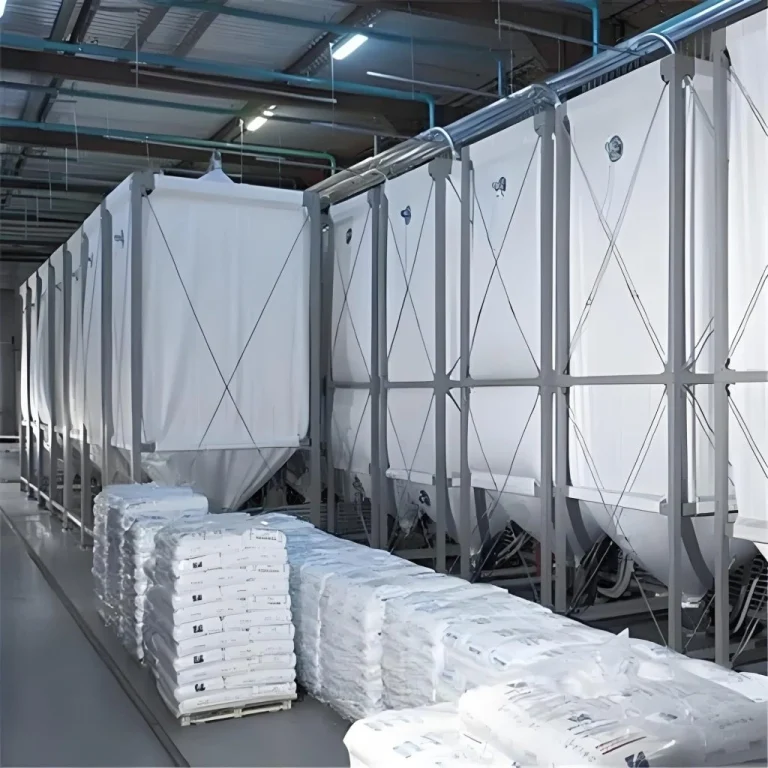
After pre-foaming, the beads need maturation so that internal negative pressure balances and they can support the casting process. The maturation silo from OC Technology features anti-static conveying, material level sensors, touch-screen interface, and automatic control of maturation time based on ambient temperature/humidity.
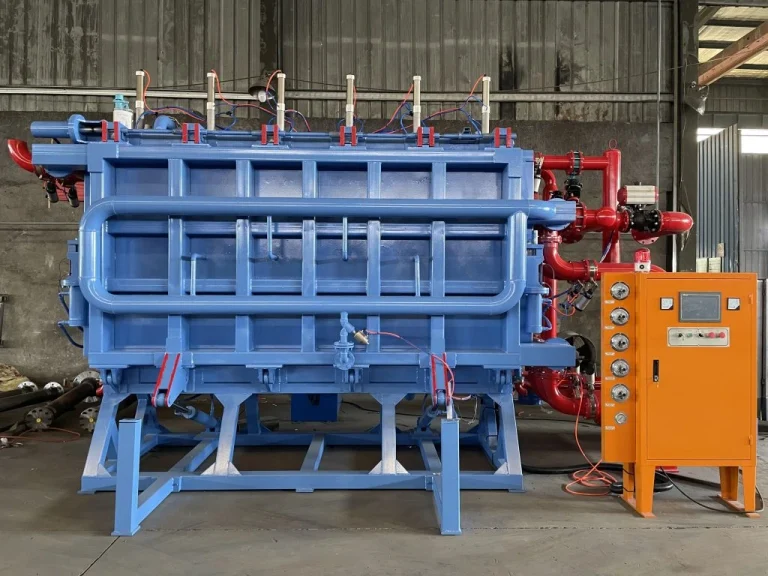
4. Foam Molding Machines (Horizontal & Vertical)
These machines form the foam patterns into final white moulds (the patterns). For example:
Horizontal forming machines: models OC-CX-W1214, W1417, W1618 with mold face sizes 1200×1400 to 1600×1800 mm and product height 350 mm.
Vertical PLC hydraulic forming machines: multiple table sizes (e.g., 1200×1000 up to 2800×2200 mm) with automated feeding, mold locking, vacuum cooling, etc.
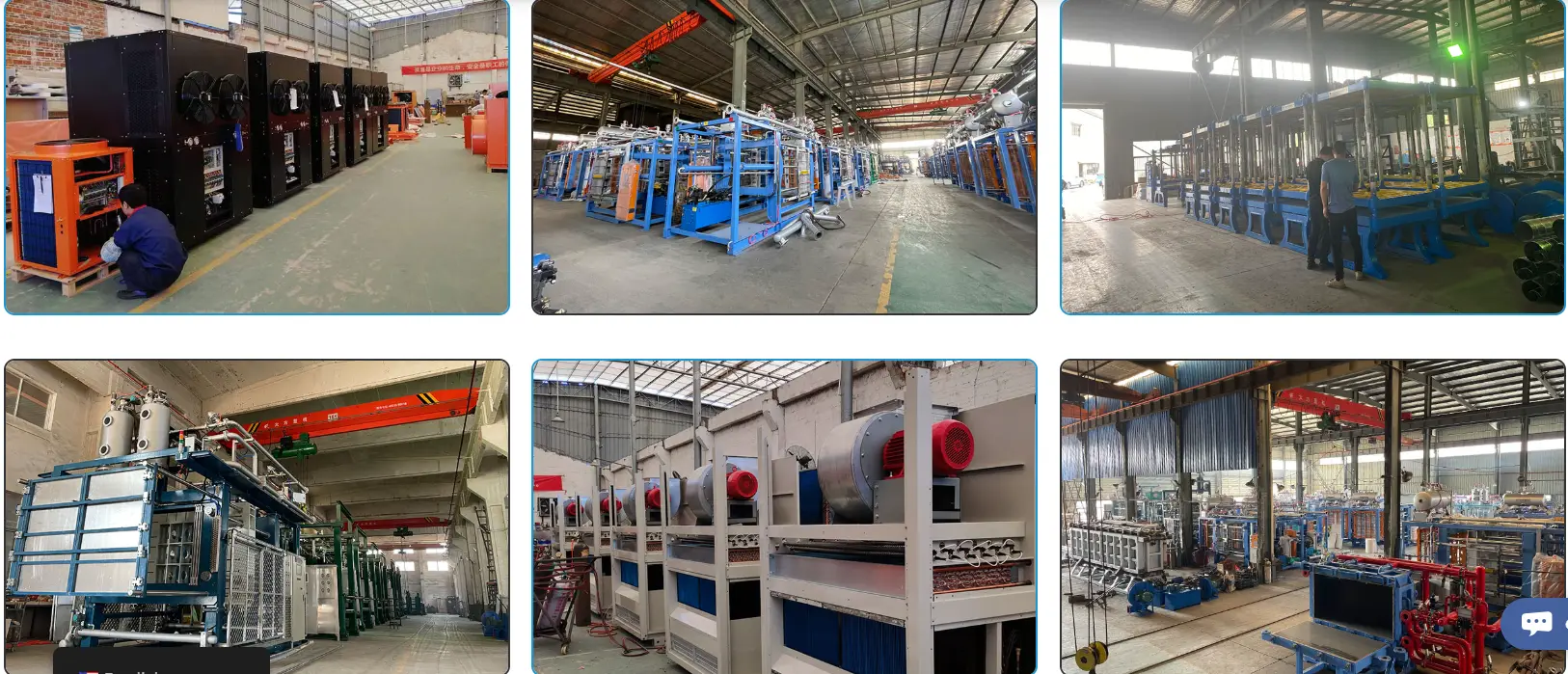
5. Air Dryer / Drying Room & Heat-Pump or Dehumidifier System
Drying the white moulds and surrounding patterns is critical for controlling moisture, ensuring low water content in foam and preventing defects during casting. OC Technology offers air-source heat pump integrated drying machines with humidity control, temperature stability, energy recovery >70 % and COP >2.0.
6. Central Vacuum System / Vacuum Cooling & Demoulding
A vacuum or negative-pressure system supports rapid cooling of the white mold, low moisture content, uniform demoulding and minimal deformation of the foam mold before metal pouring. For example, OC Technology’s vacuum system uses German Nasim pumps, PLC control, and maintains −0.5 MPa to −0.8 MPa vacuum.
7. Coating Paint Mixer / Refractory Shell Equipment
Although sometimes considered auxiliary, the coating of foam patterns (with refractory coatings for metal penetration protection) and the mixing equipment for coatings impact quality heavily. Features like high-speed dispersers, anti-sedimentation tanks, stainless-steel construction, variable speed motors etc., influence consistency.
8. Full Turn-key Integration & Automation
The best manufacturers and suppliers will offer turn-key solutions that integrate all above modules into an automated flow: foam pattern → bead processing → pattern moulding → drying → vacuum system → casting. According to OC Technology, such a production line is a game–changer for manufacturing globally.
Why Choose OC Technology as Your Lost Foam Casting Equipment Manufacturer & Supplier
Based in Hangzhou, China, Hangzhou Ouchen Technology Co., Ltd. (OC Technology) specializes in high-end intelligent lost foam casting equipment and full-line solutions. Key reasons to consider them:
They combine German EPS/EPP top technology with independent patents and focus heavily on automation, energy savings and high efficiency.
Their equipment range covers all major modules required for a lost foam casting process (foam sheet machine, pre-foaming machine, maturation silo, foam moulding machines, air dryers, vacuum systems).
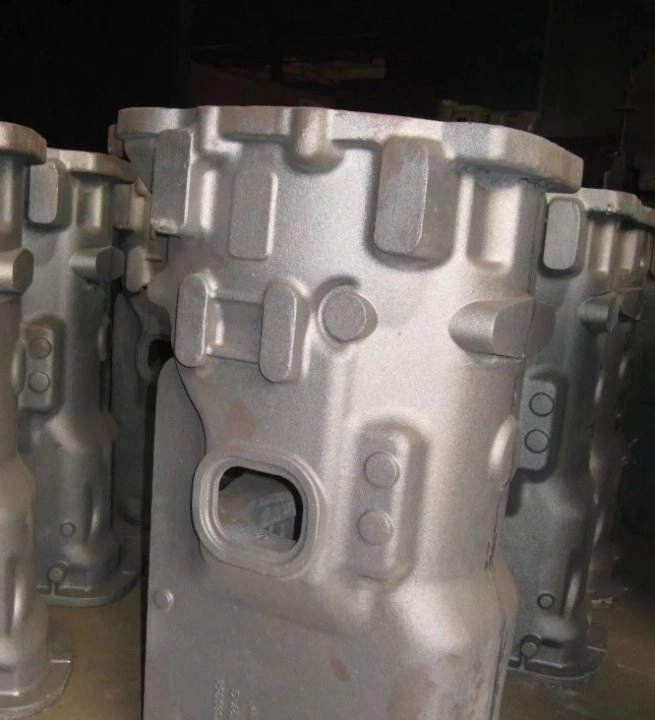
They emphasize foundry-grade solutions including for ductile iron production (lost foam ductile iron castings) and advertise case references such as pipe fittings and complex shapes
Their service model supports B2B foundry customers, offering OEM/turn-key casting line supply, automation support and after-sales service.
They highlight sustainability and reduced waste—an increasingly important factor for foundries adopting lost foam casting lines.
Key Considerations Before Investing in a Lost Foam Casting Line for Ductile Iron
Before moving ahead with procurement, foundries should evaluate:
Equipment compatibility with ductile iron alloy temperatures: Ductile iron melts at higher temperatures and requires coatings, sand and pattern systems suitable for +1320–1380 °C metal.
Automation & control systems: Look for PLC/HMI control, remote monitoring, data logging, and modules such as CNC parameter control to ensure consistent production.
Mould/foam pattern capability: Ability to handle large patterns (e.g., engine blocks, housings) with mold sizes, locking pressures and quick-change systems.
Energy efficiency & sustainability: Review specifics such as the drying unit’s COP, vacuum cooling system efficiency, sand reuse, foam recycling to reduce operating cost.
After-sales support and spare parts availability: Given the complexity of a full line, ensure the manufacturer has global service reach and offers training, commissioning and spare parts.
Total cost of ownership (TCO): Beyond equipment cost, evaluate casting yields, defect rates, machining reduction, energy consumption and ROI timeline.
Summary
For foundries producing ductile iron castings, investing in the right lost foam casting line and equipment supplier is pivotal. The method offers improved accuracy, reduced waste, and supports complex geometries that traditional methods struggle with. A trusted manufacturer and supplier such as OC Technology provides a comprehensive range of equipment—from foam moulding machines to vacuum systems—and supports full turn-key lost foam casting EPC solutions. With the right line, a foundry can scale high-precision ductile iron production efficiently and cost-effectively.
Câu hỏi thường gặp
Q1: What is ductile iron lost foam casting?
Ductile iron lost foam casting uses a foam pattern of the desired part (often made from expandable polystyrene or similar) which is coated, embedded in dry sand, and then molten ductile iron is poured. As the foam evaporates, the metal fills the shape, producing a near-net form casting.
Q2: Which equipment is essential for a lost foam casting line for ductile iron?
Essential equipment includes foam sheet/pattern machines, pre-foaming machines, maturation silos, foam moulding machines (horizontal/vertical), air dryers, vacuum systems and coating/mixing equipment. A full line integrates these.
Q3: How does lost foam casting compare to traditional sand casting for ductile iron?
Key advantages include fewer cores and parting lines, better surface finish, less machining, lower waste of sand and consumables, and improved ability to cast complex shapes.
Q4: What should a foundry consider when selecting a lost foam casting equipment manufacturer?
Consider the supplier’s track record in lost foam for ductile iron, equipment automation and control capabilities, compatibility with high metal temperatures, energy efficiency, after-sales service, and global support.
Q5: Is lost foam casting suitable for large ductile iron parts like engine blocks or housings?
Yes—provided the equipment line is sized for large moulds, has sufficient clamping force, good venting/foam evaporation control and high quality sand embedding systems. Many foundries use lost foam for complex ductile iron castings.
Select OC Technology as Your Foundry Equipment Manufacturer & Supplier
If your foundry is planning to invest in a lost foam casting equipment line specifically for lost foam ductile iron castings, now is the time to partner with a trusted manufacturer-supplier like OC Technology. Whether the requirement is for foam sheet machines, pre-foaming equipment, vacuum systems, or a full turn-key lost foam casting line for ductile iron parts, OC Technology provides a factory-direct solution built for precision, efficiency and long-term performance.
▶ Liên hệ với OC Technology hôm nay and request a detailed quotation for your ductile iron lost foam casting line.

 Vietnamese
  English
  Arabic
  Hindi
Hindi  Indonesian
  Japanese
  Korean
  Malay
Malay  Portuguese
  Spanish
  Thai
Thai