
Lost-foam casting, commonly called evaporative-pattern casting (EPC), keeps changing how factories make metal parts by mixing high accuracy, quick work, and eco-friendly ways. When factories need more complicated and lighter pieces, this method shines because it creates detailed shapes and cuts down trash. This article dives deep into the basic ideas, strong points, tough parts, and real-world uses of lost-foam casting. Special attention goes to how Công nghệ OC leads the field as a top equipment manufacturer and supplier.
History of Lost-Foam Casting
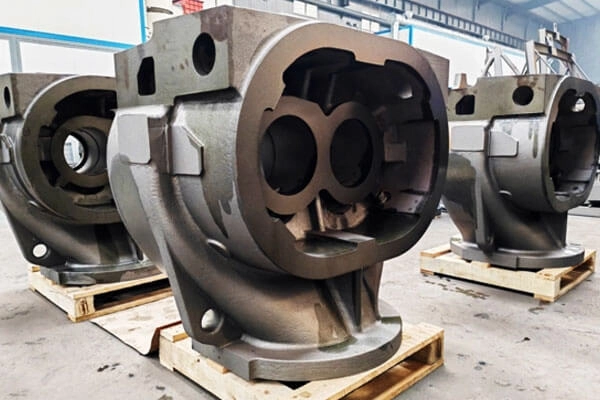
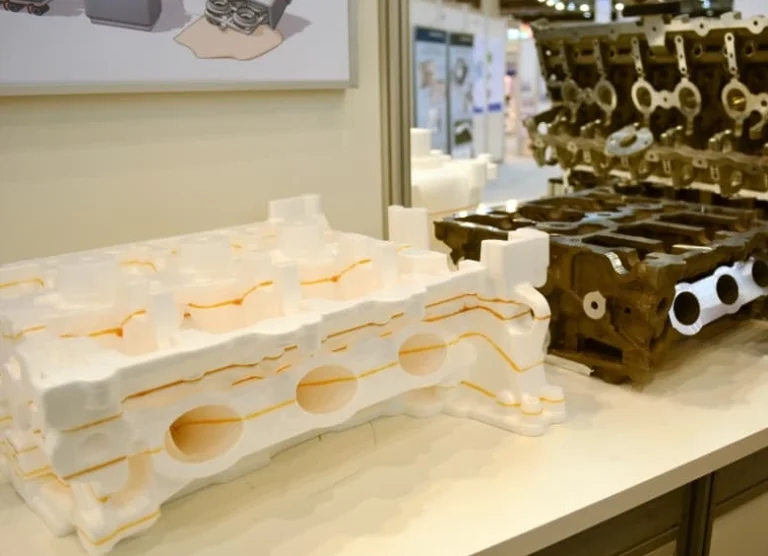
Lost-foam casting started from early experiments around the 1950s. Yet it only became widely used in factories during the 1980s, mainly in car making. The main concept looks very easy. Workers shape expandable foam (most times EPS) into the exact part, cover it with heat-proof slurry, bury it in loose dry sand, then pour hot liquid metal. The foam quickly burns away from the heat. What remains is an almost finished metal piece.
Through the years, the method grew much better. New foam recipes, smarter coatings, and automatic machines turned lost-foam casting from a rare lab trick into a common choice for precise, large-scale foundry jobs.
Quá trình đúc bọt bị mất
1. Pattern Creation
Workers first build a foam model that matches the final part perfectly. They cut, mold, or even 3D-print EPS or EPP beads to get the shape. This freedom lets designers add tricky inside passages and deep undercuts that normal molds struggle to make.
2. Pattern Assembly
Several foam models often join together into a big cluster called a “foam tree.” This tree shape lets factories cast many pieces at once. It saves time and raises output.
3. Coating
Every foam tree gets dipped into thick ceramic slurry. The coating must survive extreme heat from liquid metal. After the foam disappears, this hard shell becomes the empty space for the metal.
4. Evaporation & Pouring
Hot metal flows into the sand box. Intense heat instantly turns the foam into gas and smoke. The metal takes its place without hurting the ceramic shell.
5. Solidification
Liquid metal fills every corner and cools down fast. Workers later shake or knock off the shell to free the fresh casting.
6. Finishing
The raw casting usually needs extra steps like cutting, heating, or surface polishing so it meets strict size and strength rules.
Lợi thế của Lost-Foam Casting
Complex Geometries
Lost-foam casting easily handles parts with deep holes, sharp corners, thin sections, and hidden channels that regular sand or die casting finds hard.
Near-Net Shape
The foam model is already very close to the final size. So most parts need almost no extra machining. That saves money and hours.
Reduced Tooling Costs
Foam patterns cost far less and take much less time than steel molds. This helps a lot with prototypes or medium-size runs.
Hiệu quả vật liệu
The foam simply vanishes. Almost no pattern waste stays behind. Plus, the dry sand can be used again many times.
Lightweight Casting
Factories can create strong yet light components. This matters greatly in cars, planes, and machines where lower weight brings big gains.
Bền vững
Today’s lost-foam lines use less power and release fewer fumes. They help factories run cleaner.
Challenges in Lost-Foam Casting
Porosity Control: Keeping the metal dense and free of tiny air bubbles needs exact pouring speed, temperature, and perfect coating thickness. Dimensional Accuracy: Foam can shrink or bend a little. Tight sizes demand careful planning and gentle handling. Foam Fragility: EPS/EPP pieces break easily. Workers must move them softly during assembly. Coating Uniformity: Uneven ceramic layers cause cracks or bad surfaces later. Process Integration: Many special machines (pre-expanders, molding machines, dryers) must work together smoothly. Setting up the whole line takes skill.
Applications of Lost-Foam Casting
Factories that need both accuracy and freedom love this method:
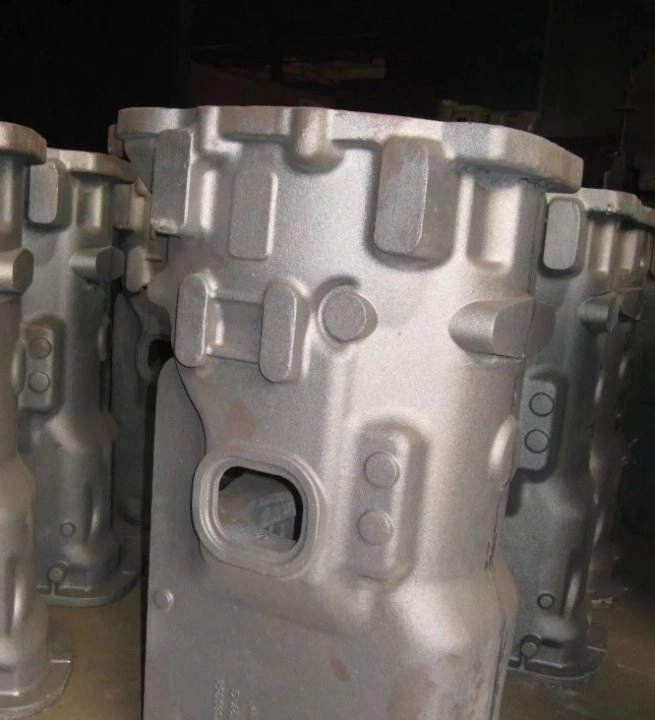
Automotive: Engine blocks, cylinder heads, transmission housings, and chassis parts. Aerospace: Light brackets, supports, and housings with complicated inner shapes. Heavy Machinery & Equipment: Huge pieces with built-in channels or thin walls. Pump & Valve Manufacturing: Bodies, impellers, and parts with winding flow paths.
Why Equipment Matters — The Role of OC Technology
Good lost-foam results depend on strong, smart machines. OC Technology (Hangzhou Ouchen Technology Co., Ltd.) stands out as a leading manufacturer and supplier. They build modern, clever equipment made specially for today’s EPC work. Their product line covers:
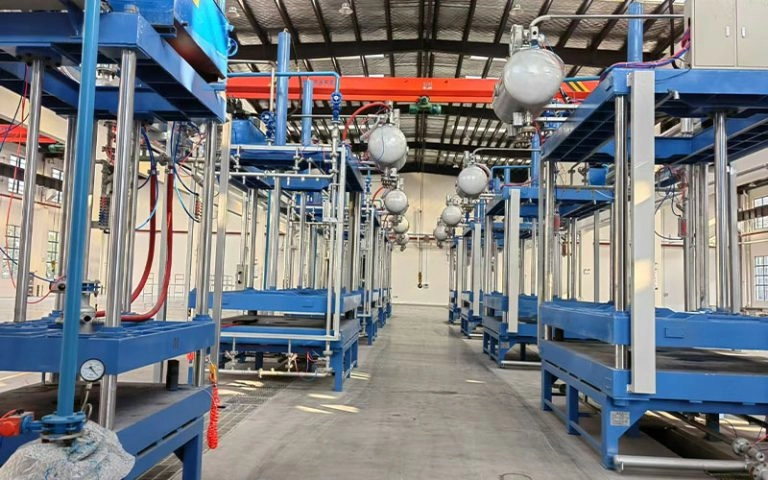
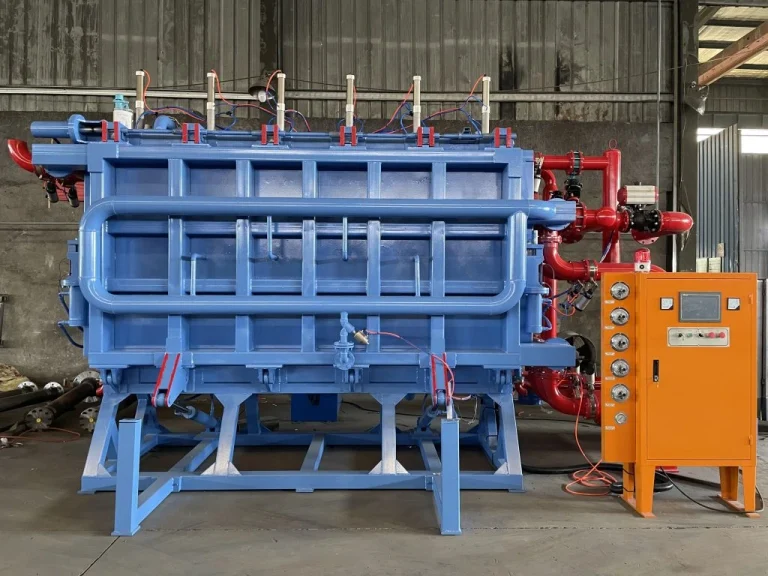
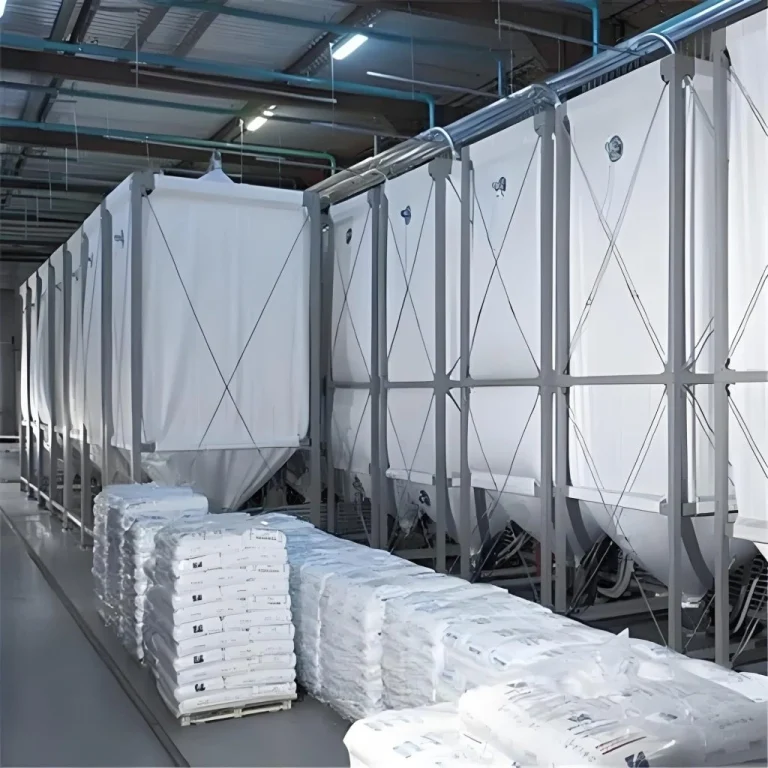
Fully automatic vacuum EPS pre-expander machines (e.g., OC-YF-Y450, OC-YF-Y550) that mix electromagnetic and steam foaming for steady bead quality. Vertical and horizontal foam molding machines with PLC control, built for all kinds of pattern shapes and factory sizes. Foam sheet machines with vacuum feeding and precise encoder length control for custom sizes. Energy-saving air dryers (air source heat-pump based) that remove water gently and fast. Central vacuum systems using German Nasim pumps for steady strong suction. Hot-melt automatic bonding machines (OCW400-C, OC600-C) that glue foam pieces quickly and firmly. Anti-static maturation silos where beads rest and mature before molding.
Lately, OC Technology showed its new ideas at the 2025 China International Foundry Expo. They presented smart and green casting systems. A big success story is the complete lost-foam “white-zone” line they built for Xinjiang Tianshan Aluminum Industry. That line now casts 10,000 tons of parts each year.
Câu hỏi thường gặp
Q1: What materials are compatible with lost-foam casting?
Most often aluminum and ductile iron. Still, the process also works with many steels (including stainless) when the coating and setup are right.
Q2: How does lost-foam casting compare with investment casting?
Against investment casting, EPC usually brings lower tooling cost, greater design freedom, and less wasted material.
Q3: What role does the pre-expander machine play?
The fully automatic vacuum EPS pre-expander machine swells tiny raw EPS beads to exact density. This step makes sure every foam pattern stays strong and uniform.
Q4: How energy-efficient are OC Technology’s machines?
Very efficient. OC Technology designs everything to use little power. Their pre-expanders mix electromagnetic and steam foaming. Their air dryers reuse heat with pump systems.
Q5: Can OC Technology support large-scale foundries?
Yes. OC Technology supplies complete turnkey EPC solutions and has finished huge projects, like the 10,000-ton per year casting line for Xinjiang Tianshan Aluminum Industry.
Partner with OC Technology — Your Trusted EPC Equipment Manufacturer & Supplier
Foundries and suppliers who want modern lost-foam casting power should choose Công nghệ OC. They provide a complete range of smart, low-energy, fully automatic machines. From fully automatic vacuum EPS pre-expanders to PLC-controlled molding machines, air dryers, and bonding systems, OC Technology offers proven turnkey EPC solutions used by factories worldwide.
Reach OC Technology now to talk about your future casting line: +86 15988479417, zyh@oc-epc.comhoặc ghé thăm www.oc-epc.com.
 Vietnamese
  English
  Arabic
  Hindi
Hindi  Indonesian
  Japanese
  Korean
  Malay
Malay  Portuguese
  Spanish
  Thai
Thai