
المفقودة صب الرغوة, also called evaporative pattern casting, is a big step forward in foundry technology for high-performance engine blocks. This process uses a foam pattern. The pattern turns to gas when molten metal goes in. It lets makers create complex exact metal parts. Engine block manufacturers in automotive, marine, and industrial sectors use lost foam casting more. They get better size accuracy, fewer defects, and better structures than with traditional sand casting methods.
The technology supports complex inside shapes like oil galleries, coolant passages, and thin-walled structures without cores or much assembly. Lost foam casting cuts machining needs. It removes parting lines. So it improves manufacturing efficiency and component quality. This article looks at how lost foam casting raises engine block production standards through process insights and quality benefits.
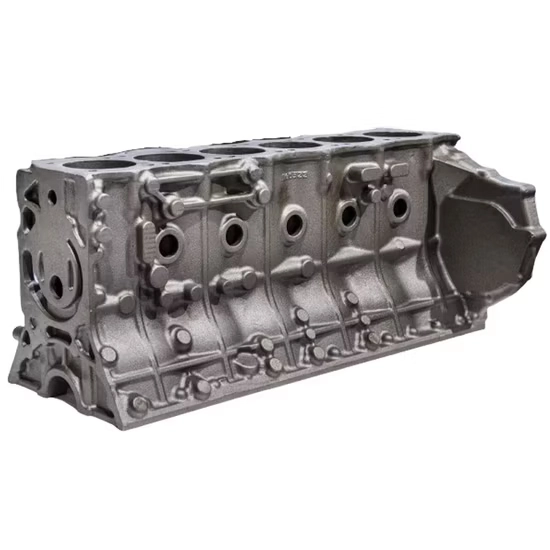
Lost Foam Casting Process for Engine Blocks
Pattern Creation and Foam Molding in Lost Foam Casting
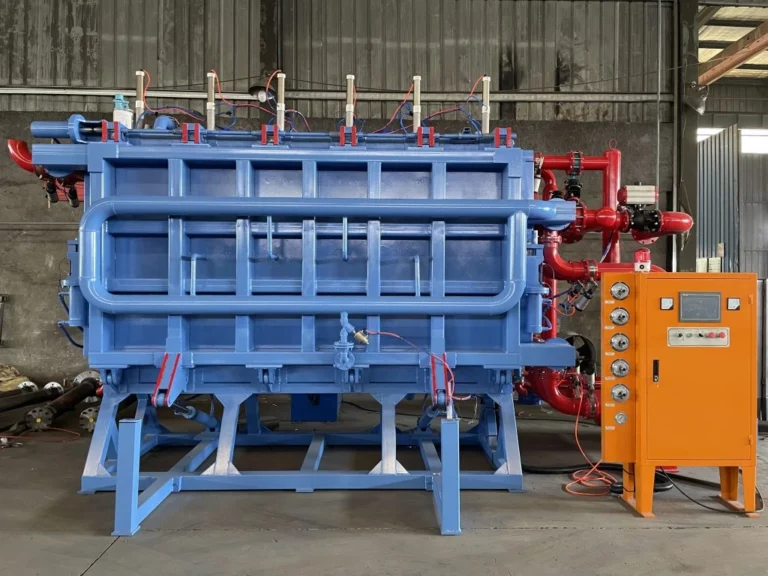
المفقودة صب الرغوة starts with production of expanded polystyrene (EPS) foam patterns that copy the engine block design. Good foam molding equipment keeps density even and sizes stable. This is important for tight tolerances in engine blocks. Smart control systems automate this stage. They reduce variability that leads to defects in usual processes.
High-precision pre-expanders and molding machines help make pattern quality consistent. These patterns include complex features directly. They support internal channels that improve lubrication and cooling in finished engine blocks.
Coating, Assembly, and Sand Embedding in Lost Foam Casting
After molding, foam patterns receive a high-temperature refractory coating. This coating helps gas leave while keeping structural integrity during pouring. Patterns assemble into clusters. They embed in unbonded dry sand. This removes chemical binders that can introduce impurities.
This stage of lost foam casting allows formation of intricate engine block internals without separate cores. It avoids core shift issues common in traditional methods. The result is cleaner castings with minimal flash and improved surface characteristics.
Pouring and Solidification in Lost Foam Casting
Molten metal — often aluminum alloys suitable for lightweight engine blocks — pours into the mold. It vaporizes the foam pattern and fills the cavity with precision. Controlled pouring with vacuum systems manages gas release. This reduces porosity and ensures sound metal structures.
The near-net-shape outcome of lost foam casting minimizes subsequent machining. It preserves critical tolerances in high-stress areas of the engine block.
Quality Improvements from Lost Foam Casting in Engine Block Manufacturing
Dimensional Accuracy and Tolerance Control via Lost Foam Casting
Lost foam casting delivers good dimensional accuracy. It uses a rigid foam pattern and unbonded sand. These prevent mold distortion and core movement. Engine blocks achieve tighter tolerances. This ensures optimal fitment of pistons, crankshafts, and other components. It enhances engine efficiency and reduces vibration.
Reduced machining allowances preserve material strength and lower production costs while maintaining structural integrity.
Defect Reduction and Surface Finish Enhancement through Lost Foam Casting
The evaporative nature of lost foam casting minimizes common defects such as gas porosity, inclusions, and shrinkage. Effective venting and smooth refractory coatings produce superior surface finishes without the roughness from sand molds.
Absence of parting lines and flash in lost foam casting improves fatigue resistance and pressure tightness. These are critical for durable engine blocks under high operating loads.
Design Flexibility Enabled by Lost Foam Casting
Lost foam casting excels at producing complex geometries and consolidated designs in a single piece. Engine block manufacturers can incorporate optimized internal passages for better thermal management and weight reduction. It supports modern demands for fuel efficiency and performance.
This flexibility allows innovative lightweight structures without compromising mechanical properties.
Production Consistency Achieved with Lost Foam Casting
Automated lost foam casting systems provide repeatable results across high-volume runs. Precise control over process parameters ensures consistent quality. It aligns with stringent quality management standards in engine manufacturing.
Operational Benefits of Lost Foam Casting for Engine Block Production
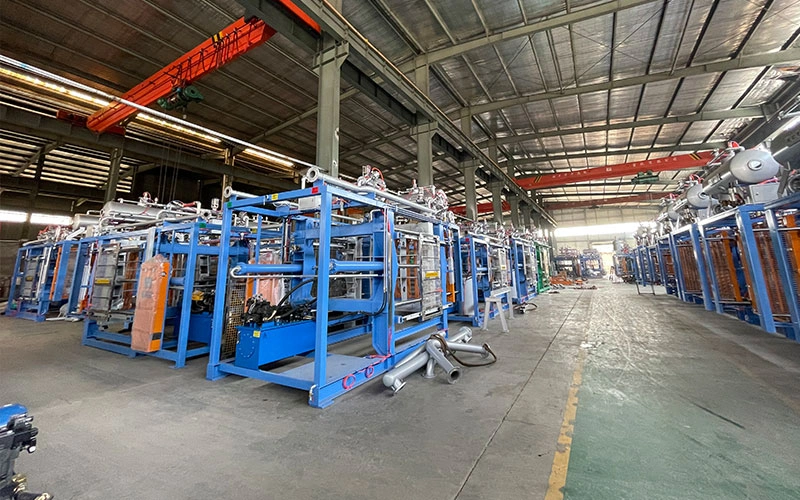
Machining Reduction and Efficiency Gains in Lost Foam Casting
Near-net-shape capabilities of lost foam casting substantially decrease machining time and tool wear. Engine blocks require less material removal. This reduces costs and the risk of new surface defects during finishing.
Sustainability Advantages Offered by Lost Foam Casting
Lost foam casting uses dry sand with high reclamation rates. It makes fewer emissions because there are no binders. The process helps green manufacturing. It still gives high-quality engine blocks.
Scalability and Automation in Lost Foam Casting Lines
Fully integrated lost foam casting equipment helps scale up for mass production well. Turnkey solutions covering white and yellow zones make operations smoother. They keep quality high at fast production levels.
Implementation Considerations for Lost Foam Casting in Engine Block Manufacturing
Process Control Best Practices in Lost Foam Casting
Good lost foam casting use needs close control of foam density, coating thickness, pouring temperature, and vacuum levels. Monitoring systems and trained people help keep best quality results.
Equipment Optimization for Lost Foam Casting
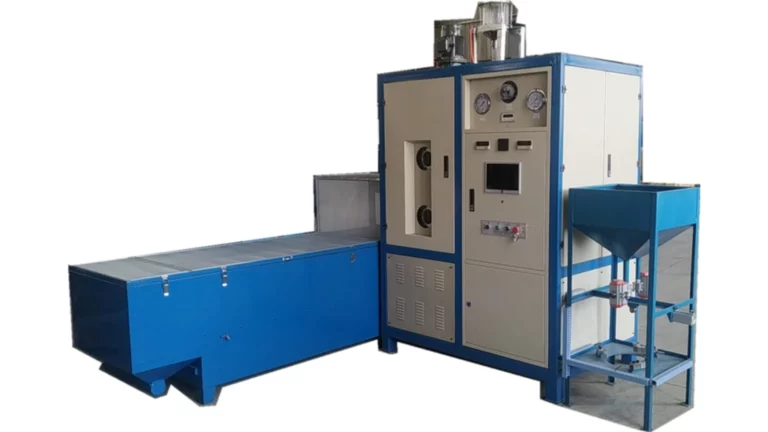
Selection of advanced intelligent equipment including automated molding machines and central vacuum systems is vital. It helps minimize defects and enhance process stability in engine block production.
Industrial Applications and Results of Lost Foam Casting
Lost foam casting has worked well in different projects for aluminum components and tractor-related castings. It shows steady high-quality results good for engine block uses. Automated production lines have made big gains in efficiency and casting strength.
These uses show the technology works in tough industrial settings.
الأسئلة الشائعة
What makes lost foam casting suitable for engine block manufacturing?
Lost foam casting enables complex internal features with high precision and minimal defects, making it ideal for producing durable, lightweight engine blocks.
How does lost foam casting improve dimensional accuracy in engine blocks?
The rigid foam pattern and unbonded sand system eliminate core shift and mold distortion, resulting in tighter tolerances than traditional methods.
What defects does lost foam casting reduce in engine block production?
It minimizes porosity, inclusions, and surface irregularities through effective gas evacuation and smooth coatings.
Can lost foam casting support high-volume engine block production?
Yes, automated lost foam casting lines provide consistency and scalability for mass manufacturing while maintaining quality standards.
What materials are commonly used in lost foam casting for engine blocks?
Aluminum alloys are frequently employed, benefiting from the process’s ability to create optimized lightweight designs with excellent thermal properties.
Partner with Leading Lost Foam Casting Equipment Manufacturers and Suppliers
Engine block manufacturers and suppliers aiming to upgrade their production capabilities through advanced lost foam casting technology should consider comprehensive equipment solutions focused on automation and precision. تكنولوجيا OC, as a dedicated manufacturer, supplier, and factory specializing in high-end intelligent lost foam casting equipment, provides turnkey white area systems incorporating German technology and proprietary innovations. Their offerings include foam pre-expanders, molding machines, central vacuum systems, paint mixers, drying units, and fully automated lines successfully implemented in multiple industrial projects. Manufacturers and suppliers are encouraged to اتصل بتكنولوجيا OC for tailored consultations on equipment configurations that optimize engine block quality and production efficiency.
 Arabic
  English
  Hindi
Hindi  Indonesian
  Japanese
  Korean
  Malay
Malay  Portuguese
  Spanish
  Thai
Thai  Vietnamese