Pengantar
Di bidang teknis casting busa yang hilangDalam proses pengecoran pola evaporatif (evaporative pattern casting/EPC), persiapan lapisan tahan api merupakan langkah kunci. Langkah ini sangat memengaruhi kualitas hasil pengecoran akhir.
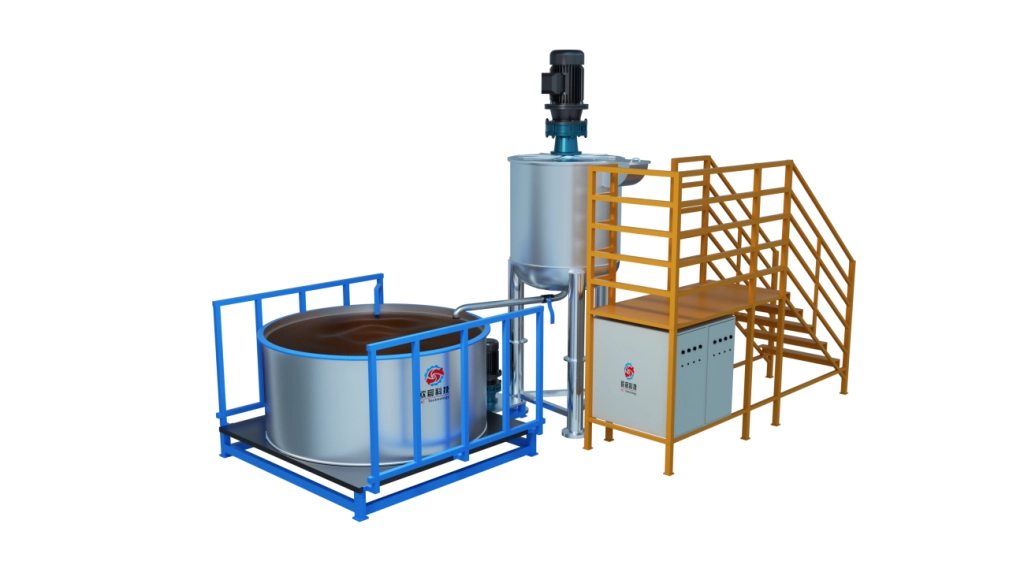
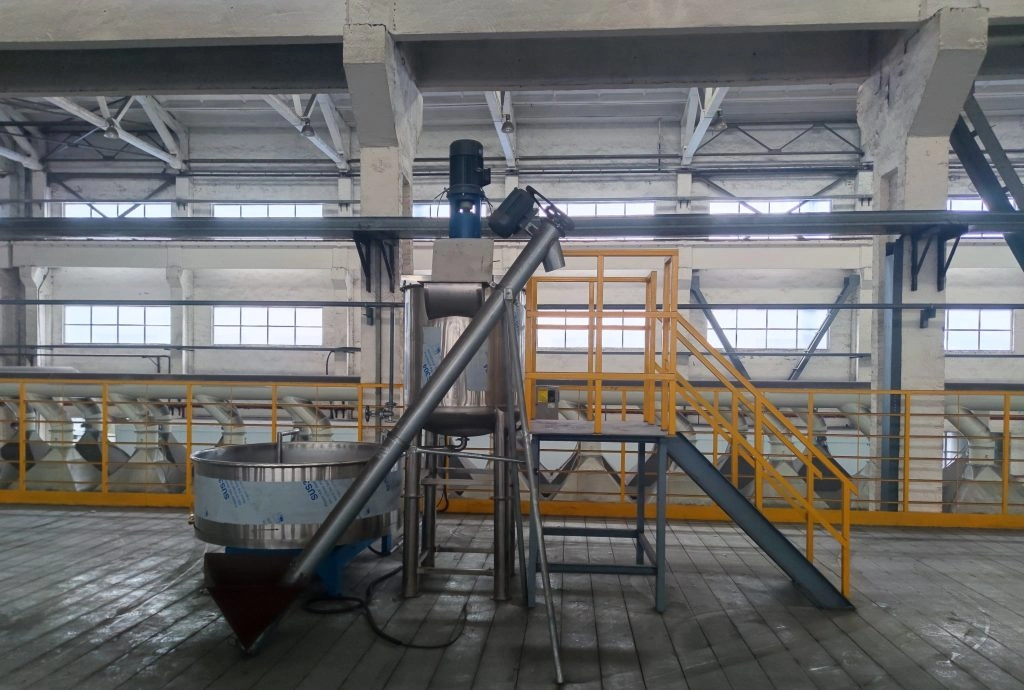
Pengaduk Cat Tipe Angkat Ini adalah alat pencampur lapisan refraktori berkinerja tinggi khusus. Alat ini menggabungkan dispersi geser tinggi dengan teknologi anti-sedimentasi berkelanjutan. Para insinyur merancang peralatan ini untuk menciptakan bubur yang stabil, merata, dan terdispersi dengan baik. Bubur ini sangat penting untuk melapisi pola busa polistirena dalam pekerjaan pengecoran saat ini.
Alat ini memastikan sifat reologi yang tepat. Ini termasuk viskositas, tiksotropi, stabilitas suspensi, dan permeabilitas. Pengaduk Cat Tipe Angkat mengurangi masalah umum seperti penetrasi logam, pasir yang menempel, porositas gas, dan kekasaran permukaan. Pada saat yang sama, alat ini meningkatkan efisiensi produksi.
Peran Penting Lapisan Tahan Panas dalam Proses Pengecoran Busa Hilang
Pengecoran busa hilang menggunakan pola busa sekali pakai (biasanya EPS). Para pekerja melapisi pola-pola ini dengan bubur tahan api. Kemudian, mereka menyusun pola-pola tersebut menjadi kelompok-kelompok. Selanjutnya, mereka mengeringkannya. Setelah itu, mereka menanamkannya dalam pasir kering yang tidak terikat. Akhirnya, logam cair menggantikan pola-pola tersebut.
Lapisan tahan panas membentuk cangkang keramik jangka pendek. Cangkang ini harus menangani beberapa tugas berat:
Dukungan Struktural
Ini memperkuat pola busa yang lemah terhadap tekanan pasir yang dipadatkan.
Penghalang Termal
Material ini mampu menahan panas tinggi dari paduan besi dan non-besi cair.
Kontrol Permeabilitas
Ini memungkinkan gas dari penguraian busa keluar. Hal ini mencegah tekanan balik atau kegagalan cetakan.
Kualitas Permukaan
Ini menentukan kehalusan dan akurasi ukuran hasil pengecoran akhir.
Sifat Pasir Anti Lengket
Ini mencegah kontak langsung antara logam cair dan pasir cetakan.
Ketebalan lapisan tipikal berkisar antara 0,5 hingga 2 mm. Para pekerja mencapai hal ini melalui pencelupan atau penyemprotan yang terkontrol. Agregat refraktori umum meliputi tepung zirkon, bauksit, kuarsa, alumina, dan talk. Mereka mencampur bahan-bahan ini dengan pengikat seperti silika koloid atau natrium silikat.
Rasio bubuk-cair terbaik seringkali adalah 1:0,6–0,9 berdasarkan berat. Selain itu, langkah pencampuran yang ketat diperlukan untuk mendapatkan derajat Baume dan perilaku reologi yang tepat.
Pencampuran yang buruk menyebabkan penggumpalan partikel, terlalu banyak busa, pengendapan, atau viskositas yang salah. Masalah-masalah ini meningkatkan tingkat produk cacat. Dalam pengaturan yang buruk, tingkat produk cacat dapat mencapai lebih dari 10–15%.
Desain Teknik dan Spesifikasi Teknis Utama dari Mixer Cat Tipe Angkat
Mesin Pengaduk Cat Tipe Angkat memiliki dua sistem gabungan utama:
- Pencampur utama yang cepat dan tersebar
- Tangki pelapis celup anti-sedimentasi berkapasitas besar yang dapat dipindahkan.
Keduanya menggunakan baja tahan karat 304 berkualitas tinggi. Material ini tahan terhadap kondisi asam dan basa, korosi, dan keausan dengan baik. Selain itu, material ini juga memudahkan pembersihan antar proses pencetakan.
Fitur Teknis Inti
Sistem Penggerak Frekuensi Variabel
Alat ini memiliki reduktor khusus torsi tinggi dan motor yang dikontrol frekuensinya. Konfigurasi ini menawarkan perubahan kecepatan yang halus dari 0 hingga 1100 RPM. Operator dapat menyesuaikan kecepatan sesuai kebutuhan. Mereka menggunakan kecepatan tinggi seperti 600–900 RPM untuk dispersi awal. Kemudian, mereka beralih ke kecepatan yang lebih rendah untuk menghilangkan udara dan pengendapan.
Mekanisme Dispersi Geser Tinggi
Poros baja tahan karat dan roda pendispersi menciptakan aksi pisau yang kuat. Ini memecah agregat refraktori menjadi bubur halus dengan busa rendah. Bubur tersebut memiliki sifat aliran dan pelapisan yang baik.
Tangki Perendaman Anti-Sedimentasi
Tangki berdiameter 1,5 meter ini menampung proses pencelupan kluster skala besar. Tangki ini berputar dengan kecepatan rendah sepanjang waktu. Hal ini menjaga agar proses tetap merata selama periode produksi yang panjang. Selain itu, tangki ini mencegah partikel refraktori mengendap.
Kontrol Proses Otomatis
Saluran pembuangan bawah sangat membantu. Penambahan air otomatis juga berfungsi. Timer pencampuran yang dapat diprogram membuat siklus dapat diulang. Fitur-fitur ini hanya membutuhkan sedikit input dari operator. Fitur-fitur ini cocok untuk produksi dalam volume besar.
Mobilitas Tipe Angkat
Ini meningkatkan koneksi dengan stasiun pencelupan, sistem penanganan material, dan jalur produksi otomatis.
Bagian-bagian desain ini membuat peralatan tersebut berguna untuk berbagai campuran bahan tahan api. Peralatan ini menangani pekerjaan pengecoran aluminium, besi abu-abu, besi ulet, dan baja.
Keunggulan Teknis dan Manfaat Kinerja Kuantitatif
Rheologi dan Stabilitas Slurry yang Unggul
Pencampuran geser tinggi menghasilkan dispersi yang merata dengan sedikit udara yang terperangkap. Penelitian tentang viskositas bubur menunjukkan bahwa pencampuran yang terkontrol memengaruhi ketebalan lapisan, pengisian cetakan, dan kekasaran permukaan. Viskositas yang lebih rendah yang ditangani dengan baik (seperti 20–35 detik pada Zahn Cup #5) menghasilkan lapisan yang lebih tipis dan lebih permeabel. Ini membantu gas keluar sambil mempertahankan kekuatan.
Minimisasi Cacat
Lapisan yang merata mengurangi kasus terbakar, inklusi, dan porositas. Kontrol permeabilitas yang baik menghentikan cacat gas. Ketebalan yang stabil menjaga ukuran tetap stabil dan memberikan hasil akhir permukaan yang bagus. Nilai Ra seringkali meningkat 30–50% dibandingkan dengan cara pencampuran manual atau lama.
Efisiensi Operasional dan Skalabilitas
Otomatisasi memangkas waktu pencampuran. Ini mengurangi kebutuhan pekerja. Ini memungkinkan pengoperasian yang stabil. Ukuran tangki yang besar cocok untuk pencelupan bervolume tinggi pada kelompok pola yang kompleks. Ini menjadikannya cocok untuk lini produksi otomotif, kedirgantaraan, dan mesin berat.
Optimalisasi Biaya
Kontrol yang tepat mengurangi pemborosan material tahan api dan penggunaan energi. Konstruksi baja tahan karat yang kuat ditambah penggerak kecepatan variabel mengurangi kebutuhan perawatan. Hal ini menurunkan biaya selama masa pakai peralatan.
Fleksibilitas
Sistem ini bekerja dengan berbagai konfigurasi refraktori. Mulai dari lapisan tahan panas berbasis zirkon untuk baja hingga campuran alumina atau talk yang lebih sederhana untuk paduan non-ferrous. Pengguna dapat menyesuaikan pengaturan untuk berbagai bentuk dan ketebalan pola.
Praktik Terbaik untuk Persiapan dan Aplikasi Bubur Refraktori
Urutan Pencampuran
Tambahkan bubuk tahan api secara perlahan ke dalam pengikat cair dengan pengadukan cepat (800–900 RPM selama 30–40 menit). Kemudian, gunakan pengadukan yang lebih lambat (<600 RPM) untuk pematangan (seringkali 2 jam atau lebih). Waktu istirahat 24 jam adalah yang terbaik untuk pembasahan sempurna.
Pemantauan Viskositas dan Densitas
Periksa secara berkala menggunakan gelas pengukur aliran atau densitometer. Penambahan air otomatis memungkinkan perubahan secara real-time.
Teknik Aplikasi
Gunakan teknik pencelupan bertahap. Mulailah dengan lapisan tipis agar meresap. Lanjutkan dengan lapisan yang lebih tebal. Tiriskan dan kocok segera agar merata. Ini menghilangkan sisa bubur kental.
Integrasi Pengeringan
Gunakan sistem pengeringan pompa panas atau konveksi yang terkontrol. Sistem ini mencegah retakan dan menghilangkan semua kelembapan sepenuhnya.
Pemeliharaan
Bersihkan setiap hari. Lumasi sesekali. Periksa segel dan keausan mata pisau. Ini menjaga kinerja di lingkungan yang berat.
Langkah-langkah ini menjadikan Lift Type Paint Mixer sebagai dasar yang kokoh untuk produksi busa hilang tanpa kesalahan.
Integrasi dalam Jalur Pengecoran Busa Hilang yang Komprehensif
Di fasilitas produksi busa hilang (lost foam) yang lengkap, sistem pelapisan bekerja di "area kuning." Sistem ini berada bersama peralatan area putih seperti mesin pra-pembusaan dan pencetakan busa. Sistem ini juga bergabung dengan sistem area hitam untuk penanganan pasir, vakum, pengecoran, dan reklamasi.
Koneksi yang lancar dengan silo pematangan, sistem vakum sentral, dan robot pencelupan otomatis memastikan kontrol yang stabil. Hal ini memaksimalkan hasil produksi dari awal hingga akhir.
Aplikasi Industri dan Nilai Strategis
Peralatan ini cocok untuk bidang-bidang bernilai tinggi. Bidang-bidang tersebut meliputi:
- Komponen sistem penggerak otomotif seperti blok mesin dan kepala silinder.
- Komponen struktural kedirgantaraan
- Mesin pertanian
- Katup dan pompa
- Pengecoran artistik yang detail
Perannya dalam menggabungkan komponen, pembuatan bentuk mendekati bentuk akhir, dan mengurangi proses pemesinan sesuai dengan tujuan manufaktur ramping dan ramah lingkungan dari pengecoran logam saat ini.
PERTANYAAN YANG SERING DIAJUKAN
Apa aplikasi utama dari Pengaduk Cat Tipe Angkat?
Fasilitas ini menyiapkan dan memelihara bubur tahan api berkualitas tinggi untuk melapisi pola busa dalam pengecoran busa hilang (lost foam casting).
Bahan bangunan apa yang menjamin daya tahan?
Baja tahan karat 304 premium untuk semua bagian yang bersentuhan dengan cairan, memberikan ketahanan korosi dan kemudahan pembersihan yang sangat baik.
Berapakah rentang kecepatan dan mekanisme kontrolnya?
0–1100 RPM dengan penggerak frekuensi variabel untuk fase geser tinggi dan stabilisasi yang presisi.
Bagaimana cara kerja sistem anti-sedimentasi?
Tangki berdiameter 1,5 meter ini berputar terus menerus dengan kecepatan rendah untuk menjaga agar partikel refraktori tetap tersuspensi secara merata.
Bisakah alat ini menangani berbagai formulasi refraktori?
Ya, cocok untuk zirkon, alumina, bauksit, dan sistem lainnya di berbagai aplikasi logam besi dan non-besi.
Fitur otomatisasi apa saja yang mendukung efisiensi produksi?
Pengatur waktu yang dapat diprogram, penambahan air otomatis, pembuangan bawah, dan mobilitas tipe angkat.
Mitra dengan Produsen dan Pemasok Terpercaya
Pabrik pengecoran dan manufaktur coran yang ingin meningkatkan proses pelapisan tahan api harus berkolaborasi dengan spesialis yang sudah berpengalaman.
Teknologi OCSebagai produsen, pemasok, dan pabrik peralatan pengecoran busa hilang cerdas kelas atas, perusahaan ini menawarkan solusi terbukti yang didasarkan pada teknologi EPS/EPP Jerman dan inovasi eksklusif. Berbasis di Kota Xindeng, Distrik Fuyang, Hangzhou, perusahaan ini menekankan otomatisasi, efisiensi energi, dan kualitas.
Hubungi OC Technology Untuk spesifikasi teknis, konfigurasi khusus, atau penawaran harga untuk Pengaduk Cat Tipe Angkat beserta sistem pelengkapnya termasuk mesin cetak busa, mesin pra-pembusaan, pengering udara, silo pematangan, dan lini produksi lengkap.
Tel: +86 15988479417
E-mail: zyh@oc-epc.com


 Indonesian
  English
  Arabic
  Hindi
Hindi  Japanese
  Korean
  Malay
Malay  Portuguese
  Spanish
  Thai
Thai  Vietnamese