
Lançamento de espuma perdida, also known as evaporative pattern casting, makes complex metal parts with good dimensional accuracy and surface finish. It cuts down on machining needs. Foundries like this process for its low cost and design flexibility in the automotive, aerospace, and heavy machinery sectors. Yet cracking stays a common defect. It hurts part strength, raises scrap rates, and increases production costs. Thermal stresses, shrinkage during solidification, and process variations often start these cracks. Fixing cracking needs a step-by-step plan. The plan brings together design rules, material choices, process controls, and post-casting treatments. Manufacturers who use specific prevention steps get higher yields and better casting quality. This article looks at the main causes of cracking in lost foam castings. It also lists proven prevention steps based on industry best practices.
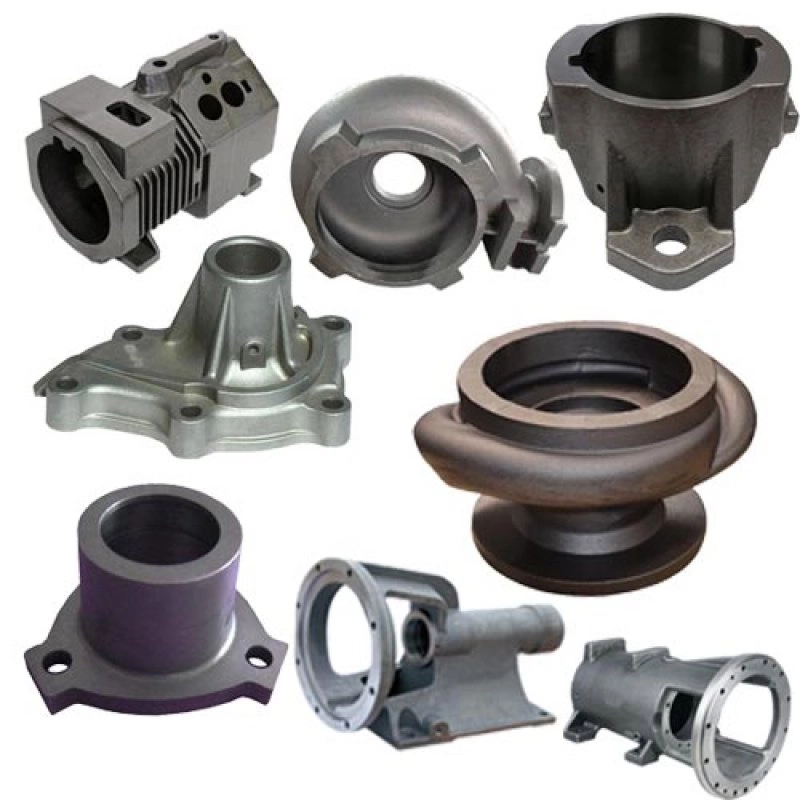
Understanding the Causes of Cracking in Lost Foam Castings
Cracking in lost foam castings comes mainly from thermal stresses. These stresses appear during the quick temperature changes as molten metal replaces the foam pattern and the casting cools. The foam pattern turns into vapor when it touches the metal. This creates gases that must leave through the coating and the sand around it. Uneven gas removal or low permeability causes pressure to build in some spots. The pressure then creates tensile stresses that go beyond the material’s strength at high temperatures.
Shrinkage is another key cause. As the molten metal solidifies and gets smaller, not enough feed metal from risers or bad gating leads to voids or hot tears. This happens more in alloys with high shrinkage rates such as certain aluminum and steel grades. In lost foam processes, the lack of a traditional mold cavity makes the issue worse. The sand mold gives less support than permanent molds. It allows the shape to change under contraction forces.
Bad gating and risering systems make uneven filling and cooling even worse. Turbulent flow from poorly designed gates brings in air or creates hot spots. Undersized or misplaced risers do not make up for shrinkage in thick sections. Pattern and mold quality also matter a lot. Low-density or unstable foam patterns can change shape or leave residues. These problems disrupt metal flow. In the same way, thin coating or poor sand compaction lowers thermal conductivity and mold strength. They concentrate stresses in weak areas.
Other factors include changes in alloy composition and pouring variations. High pouring temperatures speed up pattern decomposition but make thermal gradients steeper. Fast cooling rates in thin sections lead to brittle fracture. Foundries that miss these linked causes see cracking happen again and again. This is especially true in complex shapes with different wall thicknesses. Full root-cause analysis often uses simulation software. It helps find stress concentrations exactly and guides fixes.
Preventive Measures for Cracking in Lost Foam Castings
1. Optimize the Casting Design
Good design changes cut stress concentrations. They also help even solidification. These steps lower cracking risk in lost foam castings.
Uniform Wall Thickness
Designers should keep wall thickness the same throughout the casting. This avoids sudden changes that create hot spots or different cooling rates. Variations over 20 percent often cause shrinkage porosity or hot tears. In lost foam applications, even thickness helps even pattern decomposition and metal flow. It spreads thermal stresses in a balanced way. Simulation tools check designs. They predict solidification paths and point out problem areas before production starts.
Rounded Corners and Edges
Sharp corners and edges act as stress points where cracks begin under tensile loads. Adding big fillets with radii of at least 3 to 5 mm helps. The size depends on part size. These fillets spread stresses and improve metal flow around the pattern. The change also makes coating application smoother. It reduces gas trapping during foam vaporization and improves overall casting quality.
Reinforcements
Placing ribs, webs, or bosses in high-stress zones adds strength without too much extra material. These features fight shrinkage distortion. They also give extra feed paths during solidification. In lost foam castings, reinforcements must line up with the pattern’s foam assembly. This keeps dimensional stability and stops cracking in local areas.
2. Select the Right Alloy
Alloy choice affects how easily cracks form. Alloys with low hot-tearing sensitivity, good fluidity, and moderate shrinkage rates work best in lost foam processes. For aluminum castings, alloys with silicon and magnesium give better castability and less cracking tendency. Steel and iron grades improve with controlled carbon and alloying elements. These elements increase ductility at high temperatures. Material specifications must consider the special thermal cycle of lost foam casting. Rapid pattern removal changes cooling compared to traditional sand casting. Working with metallurgists makes sure alloy choices fit both mechanical needs and process needs.
3. Control the Pouring Temperature and Rate
Careful control of pouring parameters stops big thermal gradients and turbulence.
Optimal Pouring Temperature
Pouring at the lowest temperature that still fills the mold completely reduces thermal shock to the sand mold and coating. For aluminum alloys, temperatures between 680°C and 750°C usually balance fluidity and lower stress. Higher temperatures speed up gas generation but raise cracking risk through steeper cooling gradients. Real-time monitoring and automated pouring systems keep results steady across batches.
Controlled Pouring Rate
A steady and smooth pouring rate supports directional solidification from thin to thick sections. In lost foam casting, controlled rates slow foam decomposition. This lets gases leave without building harmful pressures. Automated systems with flow sensors give repeatable results. They can lower defect rates by up to 30 percent in optimized setups.
4. Improve the Gating and Risering Systems
Good gating and risering make up for shrinkage. They also ensure even filling.
Proper Gating Design
Multiple ingates at key spots spread metal evenly and reduce hot spots. Bottom or side gating creates less turbulence than top gating. It protects coating integrity and pattern stability. Gating systems with tapered runners and ceramic filters catch inclusions and support smooth flow.
Adequate Riser Size and Placement
Risers must supply feed metal to the last sections that solidify. In lost foam castings, top risers over thick bosses or junctions work well. Sizing calculations based on modulus methods give enough volume while limiting yield loss. Chills or insulating materials around risers improve feeding efficiency even more.
5. Enhance the Pattern and Mold Quality
High-quality patterns and molds are the base for castings without defects.
High-Quality Pattern Materials
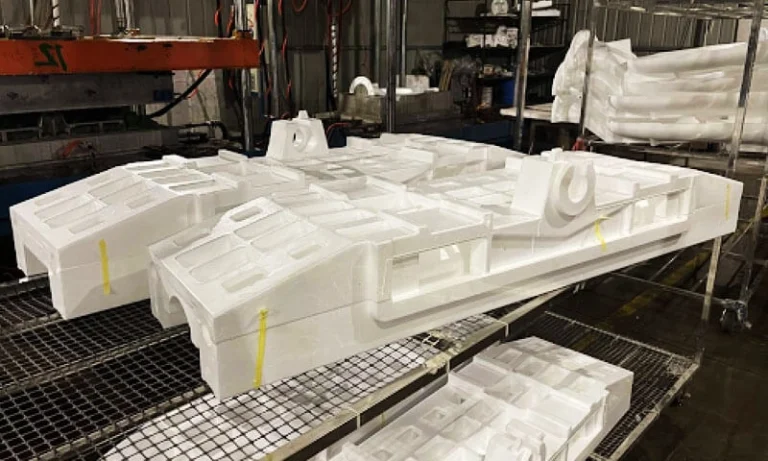
Stable, low-density EPS foam with even bead distribution resists shape changes during coating and handling. Advanced pre-expansion and molding techniques create patterns with steady density. They reduce residue and improve permeability. Automated pattern production lines hold tight tolerances needed for complex shapes.
Proper Mold Preparation
Accurate sand compaction around the coated pattern cluster removes voids that focus stresses. Vibratory compaction tables with vacuum assistance produce dense and permeable molds. Coating thickness and drying cycles must be set correctly. They provide enough strength without blocking gas escape.
6. Implement Heat Treatment
Post-casting heat treatment releases built-up stresses and improves microstructure. Annealing or stress-relief cycles at controlled temperatures lower internal tensile forces that cause later cracking. For aluminum castings, solution treatment and aging improve mechanical properties while limiting distortion. Proper heat-treatment protocols matched to alloy type and section thickness finish the prevention plan.
Case Studies and Examples
In one case with thin-walled ductile iron castings that had sharp corners, cracking hit over 40 percent of production. The reasons were thermal stress and shrinkage. A redesign for even thickness, rounded features, and better gating dropped defects to under 5 percent. Another case involved complex aluminum components with pattern instability. Changing to high-quality foam materials and better mold preparation removed cracking completely. It also improved surface quality. These examples show that using the prevention steps together brings clear gains in lost foam casting reliability.
Conclusão
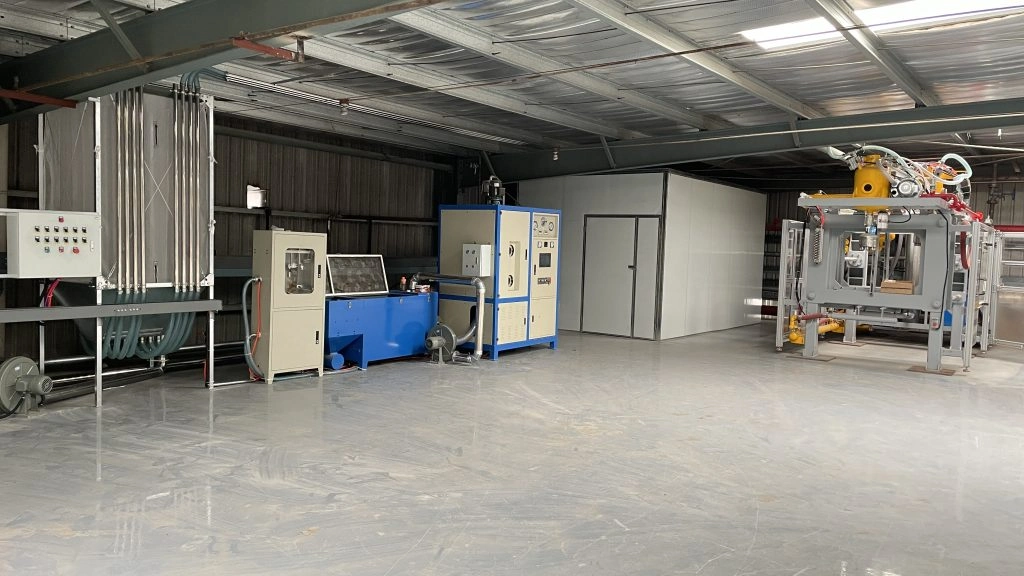
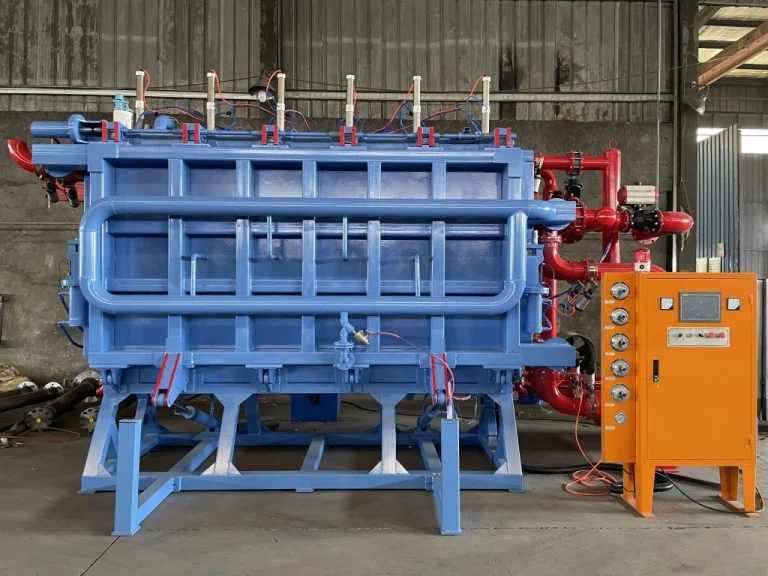
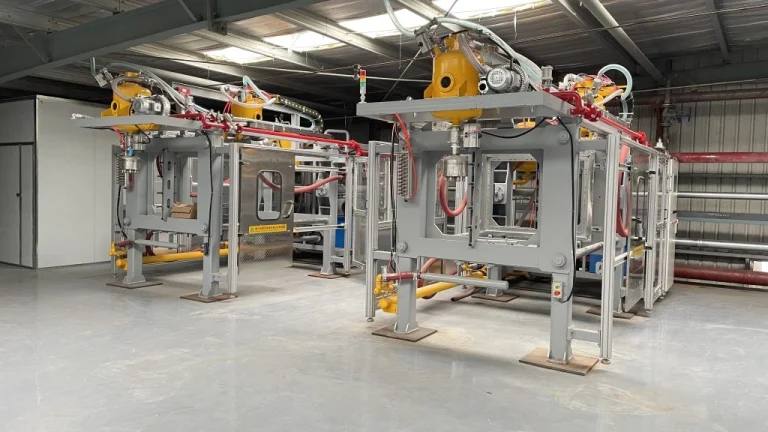
Preventing cracking in lost foam castings needs focus on design, materials, process controls, and post-processing. By learning the root causes and applying the listed steps, manufacturers get steady high-quality output with less scrap and rework. Advanced lost foam casting equipment such as pre-foaming machines, foam molding machines, air dryers, central vacuum systems, lift-type paint mixers, and maturation silos supports exact pattern production and process stability needed for these strategies.
FAQ
What are the primary causes of cracking in lost foam castings?
Cracking results mainly from thermal stresses during cooling, shrinkage during solidification, improper gating and risering, and substandard pattern or mold quality that leads to uneven metal flow and gas entrapment.
How does uniform wall thickness prevent cracking?
Uniform wall thickness eliminates abrupt section changes that create hot spots and differential cooling rates. It thereby distributes thermal stresses evenly and promotes directional solidification.
Parceiro com um principal fabricante e fornecedor de equipamentos de lançamento de mangueira perdida
Foundries and production facilities seeking reliable solutions for lost foam casting challenges should connect with Tecnologia OC. OC Technology is a specialized manufacturer, supplier, and factory of high-end intelligent lost foam casting equipment. As experts in white-area automation and turnkey EPC production lines, OC Technology delivers advanced machinery engineered for precision, efficiency, and defect reduction. Contacte a equipe hoje to discuss custom equipment configurations, explore full production line integration, and elevate casting performance through professional consultation and support.
 Portuguese
  English
  Arabic
  Hindi
Hindi  Indonesian
  Japanese
  Korean
  Malay
Malay  Spanish
  Thai
Thai  Vietnamese