การหล่อเป็นส่วนประกอบสำคัญของการผลิตสมัยใหม่ ช่วยให้สามารถหล่อชิ้นส่วนที่ซับซ้อนให้ได้ขนาดที่แม่นยำและมีคุณสมบัติทางกลที่สม่ำเสมอ มีวิธีการหล่อหลายวิธีที่ใช้กันอย่างแพร่หลาย โดยสองวิธีที่โดดเด่นที่สุดคือ การหล่อแบบแม่พิมพ์ชั่วคราว (investment casting) และการหล่อแบบโฟมหาย (lost foam casting) ทั้งสองวิธีนี้ใช้แม่พิมพ์ชั่วคราวในการสร้างผลิตภัณฑ์ขั้นสุดท้าย ซึ่งทำจากโลหะหล่อ
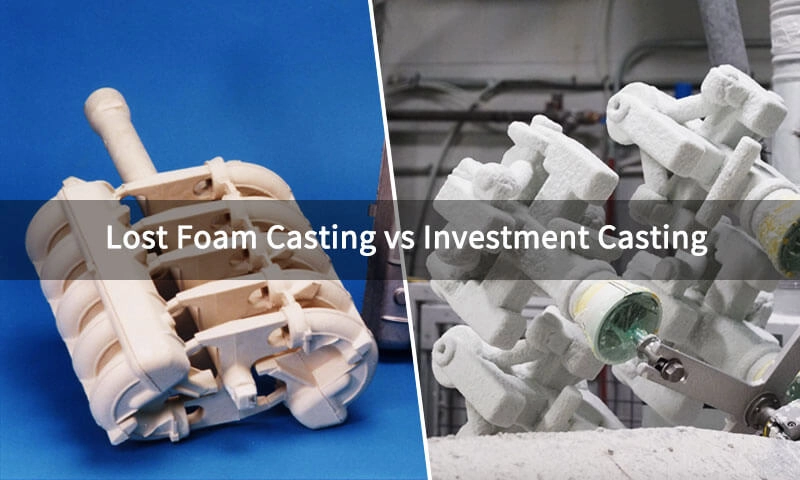
การหล่อแบบลงทุนและ การหล่อโฟมที่หายไป เป็นกระบวนการหล่อสองแบบที่แตกต่างกัน ในการหล่อแบบแม่พิมพ์ขี้ผึ้ง จะใช้แม่พิมพ์ขี้ผึ้งร่วมกับเปลือกเซรามิก ในขณะที่การหล่อแบบโฟมละลาย จะใช้แม่พิมพ์โฟมที่ละลายหมดในโลหะหลอมเหลว ความแตกต่างในกระบวนการผลิตนี้ ส่งผลให้มีความแตกต่างอย่างมากในด้านอุปกรณ์ที่จำเป็น การเตรียมแม่พิมพ์ การตกแต่งพื้นผิว ต้นทุน และขอบเขตการใช้งาน
การหล่อแบบขี้ผึ้งหายคืออะไร?
คำจำกัดความพื้นฐานของการหล่อแบบขี้ผึ้งหาย
การหล่อแบบขี้ผึ้งหาย (Lost wax casting) เป็นวิธีการหล่อที่มีความแม่นยำสูง ในการทำหล่อแบบนี้ ขั้นแรกจะทำแบบจำลองจากขี้ผึ้งก่อน จากนั้นจะนำแบบจำลองขี้ผึ้งมาเคลือบด้วยชั้นของสารละลายเซรามิกและวัสดุทนไฟ โดยจะเคลือบหลายชั้นและปล่อยให้แห้ง หลังจากที่เคลือบและแห้งแล้ว จะเพิ่มความร้อนเพื่อเผาขี้ผึ้งออก เหลือไว้เพียงเปลือกเซรามิกที่ว่างเปล่า จากนั้นจะเทโลหะหลอมเหลวลงในถ้วยสำหรับเทเพื่อเติมเต็มเปลือกนั้น โลหะจะแข็งตัวและเปลือกจะถูกทุบออกเพื่อเผยให้เห็นชิ้นส่วนที่หล่อเสร็จ
กระบวนการหล่อแบบขี้ผึ้งหายทำงานอย่างไร
มีคำแนะนำทีละขั้นตอนเกี่ยวกับวิธีการหล่อแบบขี้ผึ้งหาย: การทำแบบจำลองขี้ผึ้ง การประกอบแบบจำลองขี้ผึ้ง การสร้างเปลือกเซรามิกหุ้มรอบขี้ผึ้ง การกำจัดขี้ผึ้ง การเผาเปลือกเซรามิก การเทโลหะหลอมเหลว การปล่อยให้โลหะเย็นตัวลง การนำเปลือกเซรามิกออกจากชิ้นส่วนที่หล่อ การตัดและขัดให้ได้ขนาด และการตรวจสอบชิ้นส่วนเพื่อหาข้อบกพร่อง การหล่อแบบขี้ผึ้งหายสามารถผลิตชิ้นส่วนที่มีรายละเอียดพื้นผิวที่ละเอียดมาก ดังนั้นจึงเหมาะอย่างยิ่งสำหรับการผลิตชิ้นงานหล่อที่ซับซ้อนซึ่งต้องการพื้นผิวที่เรียบเนียนสูง
ข้อดีทั่วไปของการหล่อแบบขี้ผึ้งหาย
กระบวนการหล่อแบบขี้ผึ้งหาย (Lost Wax Casting) สามารถผลิตชิ้นงานที่มีผนังบาง รูปทรงที่แม่นยำ ผิวเรียบ และขนาดที่เที่ยงตรงได้ โดยทั่วไปแล้วจะใช้ในการผลิตชิ้นส่วนโลหะขนาดเล็กถึงขนาดกลาง เนื่องจากกระบวนการนี้มีความแม่นยำสูง อย่างไรก็ตาม กระบวนการนี้มีขั้นตอนมากมาย ซึ่งอาจส่งผลให้ใช้เวลาในการผลิตนานขึ้นและมีค่าแรงสูงกว่าการหล่อแบบอื่นๆ
การหล่อแบบแม่พิมพ์ลงทุนคืออะไร?
การหล่อแบบแม่พิมพ์โลหะเป็นกระบวนการที่มีความแม่นยำสูง
การหล่อแบบแม่พิมพ์ขี้ผึ้งมีความเกี่ยวข้องอย่างใกล้ชิดกับกระบวนการหล่อแบบแม่พิมพ์ขี้ผึ้งหาย ในหลายอุตสาหกรรม คำว่า การหล่อแบบแม่พิมพ์ขี้ผึ้ง และการหล่อแบบแม่พิมพ์ขี้ผึ้งหาย ถูกใช้เพื่ออธิบายกระบวนการเดียวกัน คำว่า "แม่พิมพ์ขี้ผึ้ง" ใช้เพื่ออธิบายวัสดุเปลือกเซรามิกที่ห่อหุ้มแบบจำลองขี้ผึ้งและกลายเป็นแม่พิมพ์
วัสดุที่ใช้ในการหล่อแบบแม่พิมพ์
การหล่อแบบแม่พิมพ์โลหะเหมาะสำหรับโลหะหลากหลายชนิด เช่น สแตนเลส เหล็กกล้าคาร์บอน เหล็กกล้าผสม โลหะผสมอะลูมิเนียม บรอนซ์ และโลหะหล่ออื่นๆ กระบวนการนี้ใช้กันทั่วไปในอุตสาหกรรมต่างๆ เช่น การผลิตเครื่องจักรและชิ้นส่วน อุตสาหกรรมพลังงาน อุปกรณ์ควบคุมของเหลว ยานยนต์ และชิ้นส่วนทางวิศวกรรมอื่นๆ
จุดแข็งหลักของการหล่อแบบแม่พิมพ์หล่อ
จุดเด่นหลักของการหล่อแบบแม่พิมพ์คือความแม่นยำสูง ด้วยกระบวนการนี้ ทำให้สามารถหล่อชิ้นส่วนที่ซับซ้อนและมีรายละเอียดที่ประณีตได้ ดังนั้นจึงลดความจำเป็นในการใช้เครื่องจักรกลหนักลง การหล่อแบบแม่พิมพ์จึงเหมาะอย่างยิ่งสำหรับชิ้นส่วนที่ต้องการพื้นผิวเรียบ ความคลาดเคลื่อนต่ำ และความสม่ำเสมอที่คงที่
การหล่อโฟมที่หายไปคืออะไร?
คำจำกัดความพื้นฐานของการหล่อแบบโฟมหาย
การหล่อแบบโฟมหาย (Lost foam casting) เป็นวิธีการหล่อแบบใช้แม่พิมพ์ระเหยชนิดหนึ่ง โดยใช้แม่พิมพ์โฟมที่ขยายตัวแทนแม่พิมพ์ขี้ผึ้ง แม่พิมพ์โฟมจะมีรูปร่างเหมือนกับชิ้นงานหล่อที่เสร็จสมบูรณ์ทุกประการ หลังจากเคลือบและทำให้แห้งแล้ว แม่พิมพ์โฟมจะถูกวางในเบ้าหล่อและปิดทับด้วยทรายแห้ง
การหล่อโฟมที่หายไปทำงานอย่างไร
เมื่อเทโลหะลงในแม่พิมพ์ โลหะจะทำให้แบบจำลองโฟมระเหยไป โลหะหลอมเหลวจะเข้าไปเติมเต็มช่องว่างที่เคยมีโฟมอยู่ เมื่อโลหะเย็นตัวลงแล้ว จึงนำชิ้นงานหล่อออกจากแม่พิมพ์ ซึ่งแตกต่างจากการหล่อแบบลงทุน (investment casting) ตรงที่แบบจำลองจะไม่ถูกนำออกจากแม่พิมพ์ก่อนที่จะเทโลหะหลอมเหลวลงไป แบบจำลองจะระเหยไปในโลหะหลอมเหลวขณะที่ไหลเข้าไปเติมเต็มแม่พิมพ์
เหตุใดจึงใช้การหล่อแบบโฟมหาย (Lost Foam Casting)
การหล่อแบบโฟมหาย (Lost foam casting) เหมาะอย่างยิ่งสำหรับชิ้นส่วนที่ซับซ้อนมาก ซึ่งประกอบด้วยแกนหล่อจำนวนมาก หรือต้องการรอยต่อหลายจุด เทคนิคนี้ช่วยให้สามารถผลิตโครงสร้างหล่อแบบรวมชิ้นได้ ประหยัดงานประกอบ และเพิ่มประสิทธิภาพเมื่อควบคุมขั้นตอนการผลิตทั้งหมดได้อย่างมีประสิทธิภาพ การหล่อแบบโฟมหายส่วนใหญ่ใช้ในการผลิตชิ้นส่วนสำหรับเครื่องจักร เช่น ตัวปั๊ม ตัววาล์ว และชิ้นส่วนหล่ออื่นๆ เช่น ตัวเรือนและชิ้นส่วนเครื่องยนต์ รวมถึงการหล่อแบบอุตสาหกรรมทั่วไป
ความคล้ายคลึงกันระหว่างการหล่อแบบแม่พิมพ์ขี้ผึ้งและการหล่อแบบแม่พิมพ์โฟม
ทั้งสองแบบใช้แพทเทิร์นแบบใช้แล้วทิ้ง
ทั้งสองกระบวนการใช้แบบจำลองที่ไม่ใช่ส่วนหนึ่งของชิ้นงานหล่อสำเร็จรูป สำหรับการหล่อแบบแม่พิมพ์ขี้ผึ้ง จะใช้แบบจำลองขี้ผึ้ง ส่วนสำหรับการหล่อแบบโฟมหาย จะใช้แบบจำลองโฟม ทั้งสองวิธีนี้ล้วนขึ้นรูปโดยใช้แบบจำลอง
ทั้งสองแบบสามารถผลิตชิ้นส่วนที่ซับซ้อนได้
ทั้งสองวิธีมีความสามารถในการสร้างรูปทรงที่ซับซ้อนมาก โดยสามารถออกแบบและสร้างรายละเอียดภายในทั้งหมด พื้นผิวโค้ง ขอบที่ละเอียด และรูปทรงใกล้เคียงกับรูปทรงสุดท้ายได้ด้วยทั้งสองวิธี หากออกแบบกระบวนการอย่างเหมาะสม
ทั้งสองอย่างช่วยลดความต้องการในการกลึง
เทคนิคการสร้างต้นแบบอย่างรวดเร็วทั้งสองแบบสามารถสร้างชิ้นส่วนที่มีรายละเอียดสูงมาก ใกล้เคียงกับรูปทรงเรขาคณิตของชิ้นส่วนจริง ดังนั้นจึงสามารถประหยัดเวลาและวัสดุในการขึ้นรูปชิ้นงานเพิ่มเติมได้มาก และเพิ่มประสิทธิภาพในการผลิต
ทั้งสองอย่างต้องอาศัยการควบคุมกระบวนการที่เข้มงวด
กระบวนการหล่อโลหะสองแบบที่ต้องมีการควบคุมกระบวนการอย่างเข้มงวด ได้แก่ การหล่อแบบแม่พิมพ์และการหล่อแบบโฟมหาย ทุกแง่มุมของกระบวนการหล่อสามารถส่งผลต่อชิ้นงานหล่อที่เสร็จสมบูรณ์ได้ รวมถึงแบบจำลอง การเคลือบผิว การเตรียมแม่พิมพ์ อุณหภูมิ โลหะ และการระบายความร้อน
ความแตกต่างระหว่างการหล่อแบบแม่พิมพ์ขี้ผึ้งและการหล่อแบบแม่พิมพ์โฟม
ความแตกต่างของวัสดุตามแบบ
ในการหล่อแบบแม่พิมพ์ขี้ผึ้ง เราใช้แม่พิมพ์ขี้ผึ้งในการสร้างโพรงของชิ้นส่วนที่จะหล่อ ในการหล่อแบบโฟมหาย เราใช้แม่พิมพ์โฟมขยายตัว ในทั้งสองวิธี จะมีบางสิ่งที่ถูกกำจัดหรือทำลายออกไปก่อนที่จะทำการหล่อชิ้นส่วน ในการหล่อแบบแม่พิมพ์ขี้ผึ้ง ขี้ผึ้งจะถูกละลายออกจากโพรงของชิ้นส่วนที่จะหล่อก่อนที่โลหะหลอมเหลวจะถูกเทลงในโพรงแม่พิมพ์ ในการหล่อแบบโฟมหาย โฟมที่เป็นของแข็งจะระเหยกลายเป็นไอในกระแสโลหะหลอมเหลวที่ไหลลงในโพรงแม่พิมพ์
ความแตกต่างของโครงสร้างแม่พิมพ์
ในการหล่อแบบแม่พิมพ์เซรามิก จะใช้เปลือกเซรามิกในการทำแม่พิมพ์ ซึ่งต้องแข็งแรงพอที่จะยึดโลหะหลอมเหลวไว้ได้หลังจากที่นำขี้ผึ้งออกจากโพรงแล้ว ส่วนในการหล่อแบบโฟมหาย จะใช้แบบจำลองโฟมเคลือบผิวจุ่มลงในทรายแห้ง แบบจำลองจะถูกอัดแน่นในทรายและขึ้นรูปเป็นชิ้นงานหล่อ
ความแตกต่างในการลบรูปแบบ
การหล่อแบบแม่พิมพ์ขี้ผึ้ง (Investment casting) คือการใส่ขี้ผึ้งลงในแม่พิมพ์ก่อนทำการหล่อ ส่วนการหล่อแบบแม่พิมพ์โฟม (Lost foam casting) คือการใส่แบบจำลองที่ทำจากโฟมลงในแม่พิมพ์จนกว่าจะเทโลหะหลอมเหลวลงไปในแม่พิมพ์ จากนั้นแบบจำลองจะค่อยๆ หายไปในโลหะหลอมเหลวขณะที่โลหะหลอมเหลวเติมเต็มช่องว่าง
ความแตกต่างของการตกแต่งพื้นผิว
ชิ้นงานหล่อแบบแม่พิมพ์หล่อคงที่ (Investment casting) มีผิวเรียบเนียนและควบคุมขนาดได้ดีเยี่ยม นอกจากนี้ การหล่อแบบโฟมหาย (Lost Foam Casting) ก็สามารถผลิตชิ้นงานหล่อที่ดีได้เช่นกัน อย่างไรก็ตาม คุณภาพผิวของชิ้นงานหล่อที่ผลิตด้วยการหล่อแบบโฟมหายนั้นขึ้นอยู่กับหลายปัจจัย เช่น ความหนาแน่นของโฟม ความหนาของสารเคลือบ การแห้งตัวของสารเคลือบ วิธีการอัดแน่นของทราย และกระบวนการเท
ความแตกต่างด้านต้นทุนและการผลิต
แม้ว่าการหล่อแบบแม่พิมพ์เซรามิก (Investment Casting) จะสามารถผลิตชิ้นส่วนที่มีความแม่นยำสูงได้อย่างคุ้มค่า แต่การใช้เปลือกเซรามิกในกระบวนการหล่อแบบแม่พิมพ์เซรามิกนั้นทำให้เสียเวลามากขึ้น อย่างไรก็ตาม การหล่อแบบโฟมหาย (Lost Foam Casting) สามารถผลิตชิ้นส่วนที่ซับซ้อนและปริมาณมากได้อย่างมีประสิทธิภาพสูง แต่กระบวนการขึ้นรูปโฟม การเคลือบ การอบแห้ง และการจัดการทรายนั้นต้องอาศัยอุปกรณ์ที่ดีและมีเสถียรภาพ
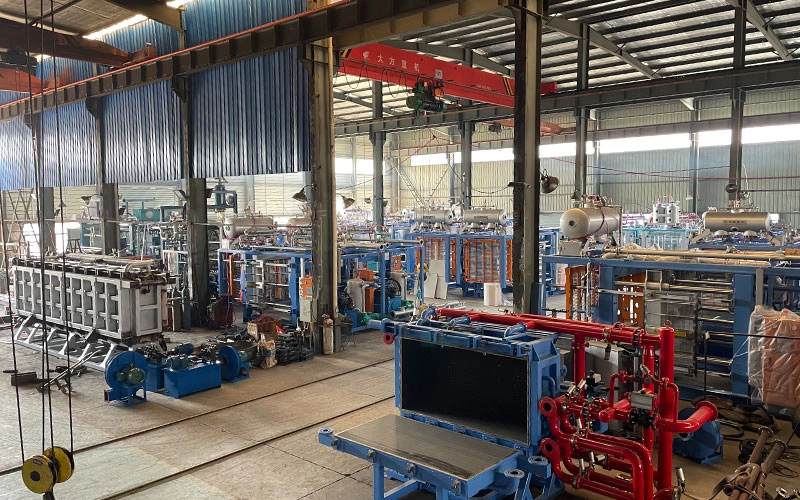
อุปกรณ์สนับสนุนทางอุตสาหกรรมสำหรับการผลิตหล่อโฟมแบบหาย
โรงหล่อที่กำลังติดตั้งสายการผลิตใหม่สำหรับการหล่อแบบโฟมหาย หรือปรับปรุงสายการผลิตที่มีอยู่เดิม ต้องให้ความสำคัญเป็นพิเศษกับความน่าเชื่อถือของอุปกรณ์ เนื่องจากสิ่งนี้ส่งผลต่อคุณภาพของแบบจำลอง ความเสถียรของสารเคลือบ กระบวนการอบแห้ง ระบบสุญญากาศ และท้ายที่สุดคือคุณภาพของชิ้นงานหล่อ
เทคโนโลยี OC เราคือผู้ผลิตและจำหน่ายอุปกรณ์หล่อโฟมหาย (Lost Foam Casting) ในประเทศจีน เรามุ่งเน้นที่อุปกรณ์หล่อโฟมหายอัจฉริยะ ผลิตภัณฑ์อุปกรณ์หล่อโฟมหายของเราคือ เครื่องจักรผลิตแผ่นโฟมเราให้บริการเครื่องจักรสำหรับการผลิตหล่อแบบโฟมครบวงจร ตั้งแต่เครื่องขึ้นรูปโฟมเบื้องต้น ไซโลบ่มโฟม เครื่องหล่อขึ้นรูปโฟม เครื่องอบแห้งอากาศ ระบบสุญญากาศส่วนกลาง เครื่องผสมสีแบบยก และเครื่องจักรอื่นๆ ที่เกี่ยวข้องกับการหล่อแบบโฟมหาย (Lost Foam Casting) เราสนับสนุนการเตรียมแม่พิมพ์โฟมไปจนถึงการเคลือบ การอบแห้ง และการหล่อภายใต้สุญญากาศ เป็นต้น ติดต่อ OC Technology วันนี้.


 Thai
Thai  English
  Arabic
  Hindi
Hindi  Indonesian
  Japanese
  Korean
  Malay
Malay  Portuguese
  Spanish
  Vietnamese